The New York Times, Tehran, October 10, 2010— After suppressing the political protests that followed last year’s disputed presidential election, Iran’s security forces are now on the alert for a new kind of domestic threat — strikes and civil unrest provoked by planned cuts in fuel subsidies.
Top police officials have issued a series of warnings this month against the threat of an overflow of tensions following the cuts, which some fear could set off a chain reaction of price increases and economic hardships in a country already stricken by high inflation and widespread unemployment.
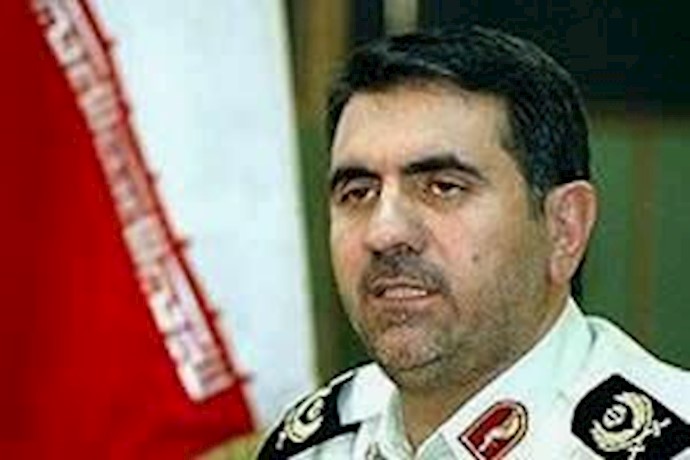
“The freeing up of prices has created worries in society, and this is of great importance to us,” the police chief for Tehran, Hossein Sajednia, told union and guild leaders on Thursday, insisting that security was essential for economic prosperity.
The language Mr. Sajednia and other officials used echoed the warnings of sinister foreign plots the government raised when it crushed the cries of fraud and protests after PresidentMahmoud Ahmadinejad was re-elected in June 2009.
The warnings also suggested an effort by the government to blame foreign adversaries and domestic collaborators for Iran’s economic problems.
“The enemy is lying in wait to create problems,” Mr. Sajednia said in comments published by the ISNA news agency. “We must not give them opportunities to hurt the revolution.”
Mr. Sajednia was the latest top security official within days to directly address the possibility that worsening economic conditions could spill over into civic anger.
“With economic pressure they intend to push the country toward chaos, riots and insecurity, and want to bring about civil disobedience,” another senior Tehran police commander, Ismael Ahmadi-Moghaddam, said in a speech at Friday Prayer in Tehran this month. “The police are completely aware of the nature of this conspiracy,” Mr. Ahmadi-Moghaddam told worshipers.
Iran’s economy showed some obvious signs of strain late last month when the United Arab Emirates restricted foreign currency dealings by Iranian banks with operations in Dubai.
The move was seen as part of a tightening of money flowing to and from Iran in line with international sanctions against the country’s nuclear program, which Western nations fear could be a front for the pursuit of nuclear weapons.
The currency restriction plunged Iran’s own foreign exchange market into trouble as traders sought to sell holdings of the rial, the national currency, anticipating it would fall in value. At the peak of the problem, Tehran traders reportedly skirmished with the police outside Iran’s Central Bank, protesting its initial refusal to trade rials for dollars and other foreign currencies.
The Central Bank has since eased some restrictions but still limits exchanges of rial to the equivalent of $2,000.
Unrest in currency markets coincided with a strike by gold traders at the Tehran bazaar and in a number of cities across the country in reaction to plans to introduce a 3 percent tax on gold transactions. Iran’s influential bazaar merchants have expressed fear that such a tax could herald further government skimming of their profits.
It was the second time this year that bazaar merchants have gone on strike to protest an administration intent on reducing dependence on oil money for government revenue.
In July, large parts of the Tehran bazaar went on strike for 12 days in protest of proposed income-tax increases. Web sites close to Iran’s political opposition reported that a well-known textile merchant was killed when pro-government paramilitaries raided the bazaar demanding that shopkeepers reopen for business.
In a sign that Iranian authorities would take a more measured yet still decisive approach to possible disturbances, last Thursday, Tehran’s chief prosecutor said the judiciary would prosecute those who “disturb public order” by closing the bazaar or engaging in speculation. His comments echoed an earlier warning from the Tehran provincial governor, Morteza Tamadon, that the government would be tough on merchants trying to pass on price increases to consumers.
“If prices increase, this can only be due to taking unfair advantage and psychological warfare,” Mr. Tamadon said in comments published on Fars News on Wednesday. “This has nothing to do with reforming price controls or plans to ‘targetize’ subsidies. There are some who have disrupted the feelings in the bazaar and are taking advantage.”