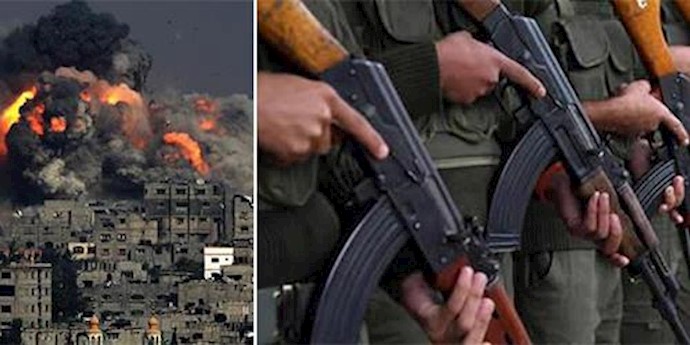
AS THEY concluded the nuclear deal with Iran in July, President Obama and Secretary of State John F. Kerry repeatedly suggested that it could open the way to cooperation with Tehran in resolving regional conflicts, beginning with the civil war in Syria. They also promised the United States would push back if Iran instead stepped up its aggression. Just three months later, Iran’s most notorious general is overseeing a new offensive by thousands of Iranian, Iraqi and Lebanese fighters aimed at recapturing the Syrian city of Aleppo from rebel forces, including some backed by the United States. Mr. Obama shows no sign of responding.
The Iranian-led offensive, which is supported by Russian air power, appears to be the most aggressive intervention yet by Iran in the Syrian war. Hundreds of troops from the terrorist Quds Force had been joined by thousands of Iraqi Shiite militiamen and forces from Lebanon’s Hezbollah, all under the command of Maj. Gen. Qasem Soleimani, who previously directed attacks on U.S. forces in Iraq. Far from accepting appeals from Mr. Obama and Mr. Kerry to help broker a diplomatic settlement, Iran has joined with Russia to entrench the regime of Bashar al-Assad and help it to recapture Aleppo and other parts of the country.
The attack is one of several provocative steps Tehran has taken as the nuclear deal has begun to come into effect. The same day the accord was debated by its parliament this month, the regime test-fired a nuclear-capable missile, violating a U.N. Security Council resolution. The White House acknowledged the infraction but pointed out that it was outside the bounds of the nuclear agreement.
Also that day, Iranian television reported that the American reporter had been convicted on espionage charges after a closed trial. The administration condemned the verdict.
On Sunday, the United States and its European partners began taking steps to implement the nuclear accord. Much is now required of Iran: It must place 12,000 centrifuges into storage, ship 12 tons of enriched uranium out of the country and demolish the core of a plutonium reactor before it can receive the more than $100 billion in assets frozen under sanctions.
The Syrian offensive is certainly more than message-sending. If successful, it could eliminate the chance to construct a moderate, secular alternative to the Assad’s brutal regime, and send hundreds of thousands more refugees across Syria’s borders. It was just such aggression that Mr. Obama acknowledged might be a byproduct of the nuclear deal — and that he vowed to resist. If he remains passive as Maj. Gen. Soleimani’s forces press forward, both Iranian and U.S. allies across the Middle East will conclude that there will be no U.S. check on an Iranian push for regional hegemony.
Extract from The Washington Post Editorial Board article, October 20