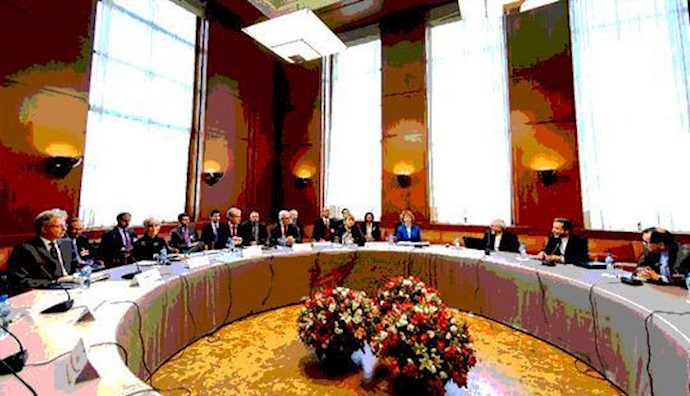
AFP – 17 Nov 2014 – A nuclear deal with Iran would be a rare coup for a beleaguered President Barack Obama already seeking to shape his White House legacy, but analysts caution that renewing full ties will take longer.
Iran and the United States have had no direct diplomatic relations since the 1979 storming of the US embassy in Tehran, when radical students held a group of American diplomats hostage for 444 days.
A deal permanently removing the threat of a nuclear-armed Iran would be a stunning victory for Obama.
With just two years left of his second term, the Democrat is under fire at home and abroad for his perceived chaotic and timid foreign policy particularly in dealing with the chaos in the Middle East.
For Iranians, it could spell the lifting of a rigorous global sanctions regime that has crippled the country’s economy.
But “if there is a deal, it won’t make for friendship between Iran and its erstwhile antagonists،” cautioned Mark Fitzpatrick, a former US State Department official focused on non-proliferation issues now at the International Institute for Strategic Studies in London.
“Friendship no, uneasy bedfellows yes،” he said.
In Washington, any dealings with Iran are highly politically charged.
Many Republicans, who now control both chambers of Congress after elections earlier this month, have been infuriated by the tentative rapprochement of Obama, a Democrat, toward Iran.
And their anger was only further fueled by reports of a secret letter from Obama to Ali Khamenei last month.
Republicans warn Obama is being fooled by the new, more moderate face of the Islamic republic, which aims to win billions of dollars in sanctions relief and will still covertly seek to develop a nuclear weapon.
Legislation is already pending before US lawmakers that instead of lifting sanctions would impose even harsher ones.
A political dustup is brewing, with Republicans claiming Obama is seeking to go behind their backs and use presidential authority to ease as many sanctions as he can without seeking congressional approval.
Other key US allies such as Sunni Saudi Arabia have been wary of US moves to engage with Shiite Iran.
Iran remains blacklisted by the US as a state sponsor of terror, and Washington has serious concerns about its human rights record.
“The US administration is quite wary of Iran’s regional intentions and its behavior,” said former top US diplomat on non-proliferation Robert Einhorn, now an expert with the Brookings Institution.
“While it recognizes that there are issues on which they share common interests, such as the defeat of ISIL, there are also areas in which their interests conflict such as on Syria.”
[Extracted from an AFP article]