
Looming fuel price rises in Iran will be a major challenge for Rouhani.
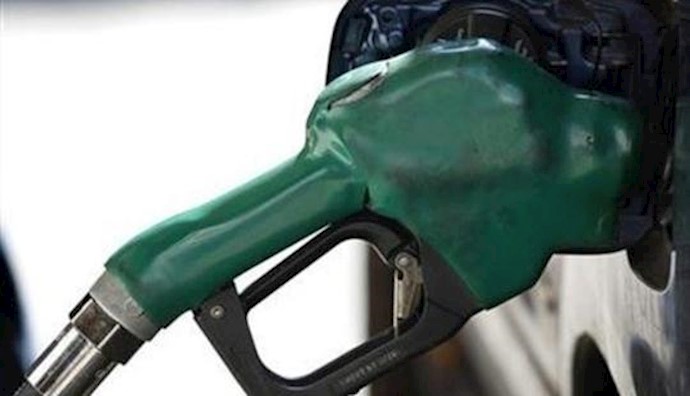
Rouhani’s government mishandles planned cuts in the massive state subsidies which keep domestic prices of gasoline and other fuels far below global levels.
But they will be painful for many Iranians and therefore eat into Rouhani’s political capital
A senior western diplomat in Tehran said the announcement of Rouhani’s plan to cut subsidies had already caused concern across Iranian society, from government employees to businessmen and even some clerics. Some people have begun stockpiling food.
“Cutting subsidies will have a negative impact on the already-high inflation and price of goods,” the diplomat said.
“It will be a litmus test of Rouhani’s political strength and also his popularity since his election.”
But the response of the public, which has struggled through a recession triggered by the sanctions, may not be as calm, since the benefits of subsidy reform may take months or years to emerge while the pain will be felt immediately.
“I have economic problems already. I try to go home late at night to avoid seeing my children, because as a father I cannot even meet their very basic demands,” said teacher Ahmad Hashemi.
“If the government increases the fuel price, everything will become more expensive. Don’t they see that?” the father of three said from the northern city of Sari.
The official inflation rate rose above 40 percent under Ahmadinejad; Rouhani has said bringing it down is a priority, and the rate has dropped below 35 percent as his administration has introduced more conservative monetary and fiscal policies. Temporarily at least, subsidy reform could undo that progress.
“We are buying cooking oil and rice because as soon as they start to cut fuel subsidies, the prices will go higher,” said government employee Ali Alami in the holy Shi’ite city of Qom.
Over 15 percent of the country’s workforce is unemployed and many jobs pay a pittance.
Public discontent could weaken Rouhani in his struggle with hardline politicians who opposed his election, and who may want to block any nuclear deal.
These politicians include some members of parliament, commanders in the Revolutionary Guards and conservative clerics.
The support of Ali Khamenei has so far shielded Rouhani from their opposition, but that could change if the subsidy reforms arouse public anger.
Because of the risks, Rouhani’s administration has been cagey about the extent and timing of the fuel price hikes.
Iranian media reports, based on vague and sometimes contradictory statements by government officials, have suggested the price of gasoline will double to 14,000 rials a liter.
The Tehran-e Emrouz daily predicted last month that the average price hike for gasoline, diesel and other fuels might be around 87 percent, saving the government $9.9 billion annually.
Iran does not release comprehensive numbers for its state budgets, so calculating the impact of that saving is difficult.
Some reports suggest the government may initially choose to soften the impact on the poor by keeping the smart cards which allow lower-income Iranians to buy a ratio of 60 liters of subsidized gasoline each month at just $0.16 per liter.
Some believe Rouhani’s subsidy reforms have already begun by stealth; prices of electricity and other utilities have risen in some areas over recent months.