
An Iran nuclear deal could mean a new arms race in the Middle East
Iran, the U.S. and five other countries are in Vienna working on a deal that would impose a freeze on Iran’s nuclear weapons research for the next 10 to 15 years, in exchange for the lifting of economic sanctions. But Tehran’s demand that an arms embargo also be lifted is complicating the talks.
Some worry that an Iran freed from crippling economic sanctions and the arms embargo could result in greater assertiveness from the Islamic State group. Predominantly Shiite Iran already supports armed groups against its Sunni foe in Iraq, Lebanon and Syria.
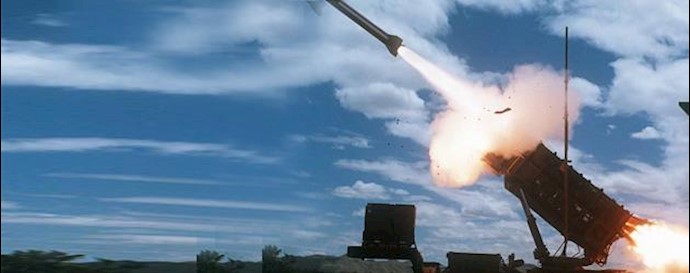
“There’s going to be a lot of interest not just by Saudi Arabia and Israel, but especially by all the Gulf countries, to invest in defensive capabilities,” said Blaise Misztal, director of the national security program at the Bipartisan Policy Center. The United States will see a lot of pressure to increase the quantity and quality of arms that it supplies to Saudi Arabia and Israel, he added.
Those two countries acquire most of their advanced weaponry from U.S. manufacturers. A number of U.S. defense manufacturers reached by CNBC either declined to comment or deferred their responses to the Department of Defense.
A concern among political analysts is whether, and by how much, Iran might increase its aid to proxy groups like Hezbollah and Hamas.
Other Middle East watchers, however, said a deal could improve historically negative relationships in the region as Iran engages in trade with its neighbors.
But before any economic benefits accrue, countries in the region have to overcome long-running mistrust of Iran.
“Much like Saudi Arabia, I think the UAE is more scared of an emboldened Iran seeking regional hegemony than it is starting new business with them,” said Misztal.
One thing you can count on
One thing is for certain—an Iran nuclear deal that lifts economic sanctions would affect the global price of oil.
The World Bank ran a simulation on the impact of lifting Iran’s economic sanctions and found that it would bring to the world market 1 million additional barrels of oil each day, likely depressing prices.
“Just the pure effect of an addition of 1 million extra barrels of oil a day in exports from Iran would have the effect of bringing down oil prices over a two year span by about 14 percent, or roughly $10 a barrel,” assuming that other oil producers don’t cut back their oil exports to prevent prices from falling, Devarajan said.