
The Iranian regime is involved in numerous conflicts in the region
Extract from TIME Magazine, 18 July 2015
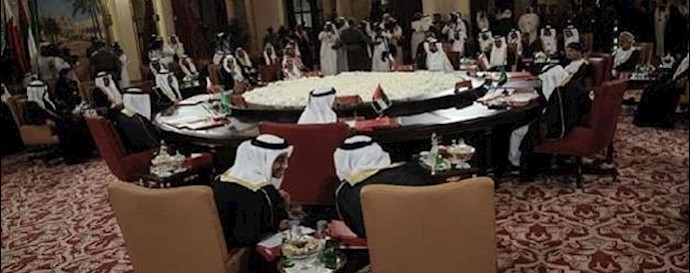
In the Gulf Arab States, the Iranian nuclear deal has been met with celebration and apprehension. The business community in the Gulf is no doubt glad that the Iranian market, long shuttered under heavy sanctions, will finally be open for business. Yet political tensions caused by the Iranian government in the region continue to be a concern.
Any political benefits are less clear. In the hours following the deal, Rouhani tweeted a number of conciliatory messages to Iran’s neighbors in the Gulf. “Iran and its power will translate into your power,” he said, adding that the “Region’s security is our security. Region’s stability is our stability.” One may be forgiven for wondering which power Rouhani had in mind. After all, Iran’s soft and hard power have been at conflict both in clandestine and in the open in the region. There are numerous proxy wars raging from Syria to Yemen and Lebanon to Iraq that are supported by Iran on one side and the Gulf States on the other.
Members of the Iranian-supported-and-trained Popular Mobilization Units (Hashd al-Sha’abi) in Iraq have been accused of sectarian abuses and possible war crimes by Human Rights Watch.
There is also a degree of schizophrenia in the Iranian corridors of power. The real power in the country seems to rest in the hands of the 76-year-old Supreme Leader Ali Khamenei, who is associated with the radical right of the Iranian establishment. Khamenei’s sentiments towards the Gulf States can be measured by the rhetoric of Ahmad Jannati, the Imam of the Friday Mosque of Tehran, who was appointed by Khameni. For example, following the death of Saudi King Abdullah bin Abdulaziz Al Saud in January, Jannati said, “We should express condolences to the Israelis and Americans and congratulation to Muslims.” Iranian intellectuals, including Sadegh Zibakalam, criticized these comments, noting that Rouhani had sent official condolences to Saudi Arabia.
Iran’s relations with its Gulf neighbors have been characterized by a degree of superiority from Iran. The Iranian elite, from the days of the shah, who fancied himself the “policeman of the Gulf,” to the present day, have never completely accepted that the Gulf States are independent nations.
So, yes: The Gulf States should be happy for the Iranian people—just not necessarily for their government.
Sultan Sooud Al Qassemi is a writer based in the UAE