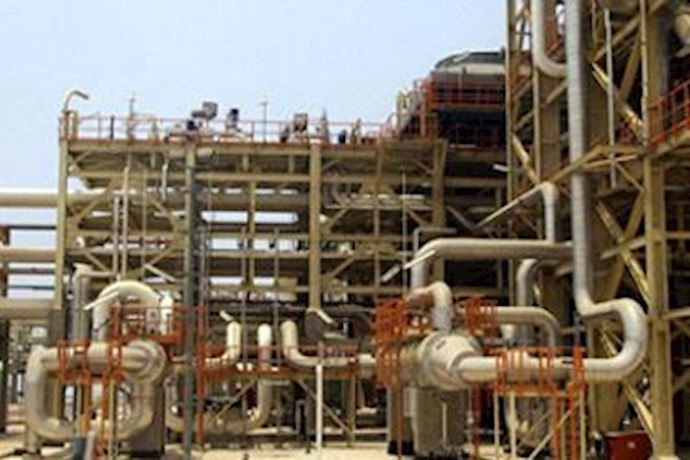
The New York Times, Washington, 12 Jan 2012 — Pressure on Iran mounted on Thursday, with the United States saying it was determined to isolate the country’s central bank, and three of Iran’s largest oil customers — Japan, South Korea and China — getting assurances that Saudi Arabia and other Persian Gulf producers would help make up any gap in supplies if they curtailed oil purchases from Iran.
The Obama administration said its campaign to choke off Iran’s oil exports was making headway, amid signs that Japan, South Korea and even China were seeking alternatives to Iran, in order to comply with American sanctions on Iran’s central bank, through which most purchases are made.
“We do mean to close down the Central Bank of Iran,” said a senior administration official, adding that oil purchases were the key to that effort because oil “is the largest source of their revenue.”
Delegations from the State, Energy and Treasury Departments are fanning out to Iran’s major customers, as well as to rival oil producers, to enlist them in an ambitious project: to effectively cut off one of the world’s largest oil producers without driving up oil prices.
In the early days of that effort, the administration is getting crucial help from Persian Gulf nations. They have offered assurances to China, Japan and South Korea — which together buy about half of Iran’s oil — after each expressed concern that a loss of energy resources could undermine their own economies.
“China and Japan and South Korea are looking for assurances that there will be additional supplies from the Arabian Gulf producers,” said Sadad Ibrahim al-Husseini, former head of exploration and development at Saudi Aramco, the national oil company. Kuwait, Saudi Arabia and the United Arab Emirates, he added, “are all saying: ‘We will do whatever it takes. Yes, we will support you.’ ”
The United States, and Europe, have moved aggressively to block Iran’s ability to sell oil, hoping to create enough economic pain and social instability that Iran’s leaders will abandon a nuclear program that the West says is aimed at building nuclear weapons, but that Iran says is for peaceful purposes.
China, Iran’s largest buyer, has said that it will not impose any new sanctions against Iran. But it has already begun to reduce its purchases of Iranian crude, and this weekend its prime minister, Wen Jiabao, will begin a five-day visit to Saudi Arabia, Qatar and the United Arab Emirates, perhaps to explore the prospect of increased energy imports.
Oil analysts say these exporters, all allies of the United States in confronting Iran, would be able to replace up to two-thirds of Iran’s 2.2 million barrels a day of oil exports that anchor the Iranian economy with annual revenue of roughly $75 billion a year. But the analysts caution that these countries could sustain the additional output only for a limited amount of time through increased production and the tapping of stored reserves estimated at 30 million barrels. They also warn that eventually oil prices would rise, threatening the shaky global economy.
The gulf states “could replace the Iranian oil for about a month, and then you would have to look to the strategic reserves from the West, which could represent another month,” said Chakib Khelil, a former Algerian energy minister who also served as president of OPEC. “Then you could have undersupply, and oil prices could get jacked up.”
Officials in Asia have been wary of a new United States law that would deny access to the American financial system for foreign financial institutions that do business with Iran’s central bank, the country’s main clearing house for payments for oil. But Middle Eastern oil executives say the Asians appear to be moving in the direction of Washington and Europe to press Iran on its nuclear program, albeit reluctantly and perhaps fitfully.
The senior administration official, speaking on the condition of anonymity to discuss the American diplomatic efforts, said the new sanctions legislation, which President Obama signed into law on Dec. 31, had “created uncertainty for people who want to deal with Iran, so they are looking to diversify and choose other sources for their transactions.”
The legislation, however, gives Mr. Obama the leeway to grant waivers to countries to continue doing business with the Central Bank of Iran on the grounds of national security or if they show progress in reducing purchases of oil.
Arab oil executives say the discussions between the Asian buyers and major regional OPEC producers have taken place over the past few days as Europe stands poised to join the United States in tougher sanctions. The talks, they said, have gained urgency amid rising tensions between the West and Iran, culminating in the assassination on Wednesday in Tehran of an Iranian nuclear scientist and earlier threats by Tehran to close the Strait of Hormuz.