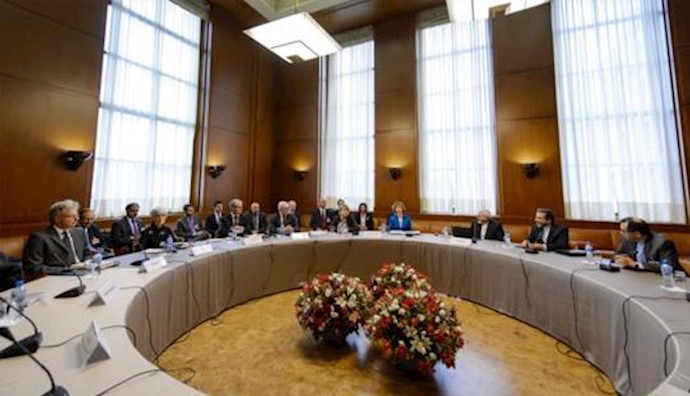
Reuters, Vienna, 3 July 2014 – Iran has reduced demands for the size of its future nuclear enrichment programme in talks with world powers although Western governments are urging Tehran to compromise further, Western diplomats close to the negotiations said on Thursday.
Tehran’s shift relates to the main sticking point in the talks – the number of uranium enrichment centrifuges Iran will maintain if a deal is reached to curb its nuclear programme in exchange for a gradual end of sanctions.
“Iran has reduced the number of centrifuges it wants but the number is still unacceptably high,” a Western diplomat told Reuters on condition of anonymity and without further detail.
Iran, a major oil producer, says it plans a future network of nuclear power plants to diversify its energy supply, though just completing one of them would take many years, analysts say.
“Iran needs at least 50,000 centrifuges and not 49,999,” the Iranian official said. “We will not compromise on that … The other party is talking about a few thousands and this is unacceptable for Iran.”
But the Western diplomats said that behind closed doors Iran was no longer insisting on 50,000 machines. It had signalled it would settle for a lower figure but declined to be specify the number so as not to disrupt the negotiations.
Iran now has over 19,000 centrifuges, though only around 10,000 of those are running. The powers want that number cut to the low thousands, to ensure Iran cannot quickly produce enough high-enriched uranium for a bomb, should it choose to do so.
Iranian officials declined to comment directly on the reported concession on centrifuges.
Western governments are exerting pressure for Iran to compromise further in the interest of nailing down a deal by July 20, a deadline that Western officials say privately will be extremely difficult to meet.
U.S. Secretary of State John Kerry chided Tehran on Tuesday by saying in a Washington Post article that Iran’s “public optimism about the potential outcome of these negotiations has not been matched, to date, by the positions they have articulated behind closed doors.”
On Wednesday, British Foreign Secretary William Hague echoed Kerry’s criticism.
“We will not accept a deal at any price,” he said in a statement. “A deal that does not provide sufficient assurances that Iran will not develop a nuclear weapon is not in the interests of the UK, the region or the international community.”
One of the more sensitive matters is Iran’s ballistic missile programme, which is banned under U.N. Security Council sanctions imposed on Tehran between 2006 and 2010 over its refusal to suspend enrichment and other activity with bomb applications.
The United States has insisted that Iran’s ballistic missile capabilities be covered under the potential nuclear deal under discussion in Vienna but Tehran does not The current round of talks in the Austrian capital will run until at least July 15.