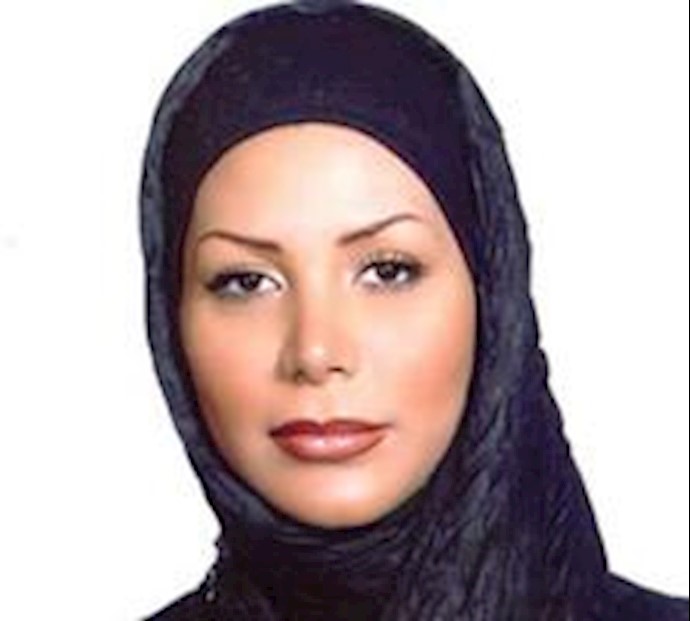
AFP, Geneva, March 9, 2010 – The boyfriend of an Iranian woman, who became an Opposition icon after images of her death at a Tehran protest spread across the Internet, says the event has turned him into a staunch activist.
A year ago, ’I wouldn’t have thought that I would be here,’ Caspian Makan told AFP on the sidelines of a human rights conference in Geneva.
’It changed my life, I’m very active right now I’m going to be more of an activist,’ said the writer and documentary maker after he fled Iran and found refuge in Canada.
’I lost my love, I lost my country, I miss everybody, my family, my job,’ added Makan, speaking through an interpreter.
The killing of Neda Agha-Soltan on June 20, 2009 came to symbolise the public uprising against President Mahmoud Ahamdinejad’s victory earlier that month in presidential elections the Opposition says were rigged.
A graphic mobile phone video of her bleeding to death on the ground was seen around the world, triggering an outcry over the sometimes brutal crackdown on demonstrators.
Makan appeared at the Geneva conference alongside dissidents from China, Cuba, Myanmar, North Korea and Zimbabwe.
’The whole world was witness to the acts of this regime. It was a painful, inhuman act that revealed the dark face of the Iranian dictatorship,’ he told deleGates.
His 26 year-old partner’s killing was a ’murder’ carried out by ’mercenaries of the regime,’ he claimed.
’Her conscience and her courage became symbols for freedom, symbols that gave hope to thousands of Iranians.’
After her death, Makan was interviewed by foreign media, including the BBC and Al-Jazeera. This is what he believes marked him out: six days later, he was arrested at home.
’I wanted to tell the world the truth and what happened to Neda,’ the dapper 38 year-old sighed.
Freed with the help of her family from Evin prison after 65 days of questioning, Makan decided to flee.
He managed to reach another Middle Eastern country, which he preferred not to name, and early this year he was granted political asylum in Canada.
Makan now flies around attending campaign and lobbying events: in the coming weeks, he is due to meet parliamentarians in Rome, Stockholm and perhaps Tel-Aviv.
’I feel I have to try my best, to work hard for democracy in Iran and show the people in the world what was happening and what is happening, to show the face of the government to the world.’
Makan and Agha-Soltan met in April 2009 during an organised trip to Turkey, a country they could travel to without a visa.
He said they wanted to get married.
’She was convincing me how we should go… we have to stand up, we have to raise our head against the regime,’ Makan said.
And yet she had refused to vote in the election, dismissing it as a ’show.’
Fearing mass arrests and shootings by the Revolutionary Guard, which he says he had witnessed, Makan tried to convince her not to take part in the protests.
’I was in love with her, I didn’t want her to be injured,’ he added.
The ’Geneva Summit for Human Rights, Tolerance and Democracy’ was organised by campaign groups including US-based Freedom House and UN Watch, a pro-Israel group that monitors the United Nations, and the French based International league against racism and anti semitism (LICRA).