
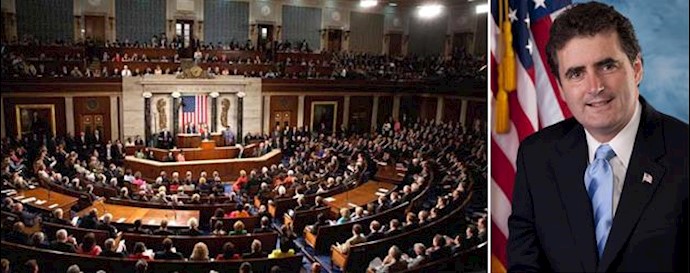
An overwhelming bipartisan majority (162-269-1) of the US House of Representatives on Sept. 11th voted against the Obama Administration’s nuclear deal with Iran [H.R. 4361], and Congressman Mike Fitzpatrick joined their ranks. Additionally, the House passed legislation [H.R. 3460] prohibiting the president from easing or lifting sanctions on Iran.
Speaking on the House floor prior to the vote, Fitzpatrick delivered the following remarks in opposition to the agreement:
“Mr. Speaker, as we’ve heard so far during debate on the Iran Joint Plan of Action, there are dozens of shortcomings and concerns when it comes to this Administration’s nuclear deal – and now doubt we will hear dozens more before all is said and done.
“The more we study this agreement – Republican or Democrat – the clearer it is to see that it does not measure up to its ultimate goal: To prevent a nuclear Iran. The essential restrictions on Iran’s key bomb-making technology sunset in as soon as 10 years – leaving an internationally recognized, industrial-scale nuclear program with breakout times shrinking down to nearly zero.
“And that’s if Iran doesn’t cheat. But we’ll have a tough time knowing because what was “anytime, anywhere” inspections of Iranian nuclear sites has now become “managed access” – leaving Iran as long as 24 days to scrub sites; enough time to nearly completely remove incriminating evidence of wrongdoing. Or the option of self-reporting compliance in places, like their military base at Parchin.
“However, what this deal does accomplish is precipitate a “nuclear arms race” in the Middle East – a reality we’re already seeing as nations like Egypt, Jordan and Saudi Arabia have begun building up their nuclear infrastructure in response.
“Any of those details should be enough to reject this deal. But that would not even mention the most objectionable portion: that this good-faith agreement with the world’s largest state sponsor of terror frees up hundreds of billions of dollars in economic sanctions and frozen assets seemingly without any regard for what that money will be used for.
“For the last six months, I’ve had the opportunity to chair the Task Force to Investigate Terrorism Financing – a bipartisan group established by both parties of the Financial Services Committee to look into the increasing ability for terror groups to fund and finance their actions, and evaluate the U.S. response to these challenges.
“Specifically, the Task Force examined the impact of this nuclear agreement on Tehran’s state sponsorship of terror proxies across the region. What became abundantly clear was the influx of hundreds of billions of dollars to Iran authorized in this deal will increase that nation’s ability to continue regional destabilization through support of groups like Hamas, Hezbollah, Iraqi Shiite militias, the Houthis in Yemen, and Syrian President Bashar al-Assad’s regime in Damascus.