From Times Online
September 25, 2009
September 25, 2009
President Ahamdinejad was forced to concede that Iran had a second enrichment facility
Britain played a key role in gathering intelligence to expose Iran’s secret nuclear facility, according to Western diplomatic sources.
Officials in Pittsburgh said today that the British intelligence services played a “big part” in the hunt for concealed uranium enrichment capacity in Iran.
French and US intelligence agencies were also involved in the operation that led to exposure of the secret underground plant. Israel was among a number of other countries aware of what was being built.
Tunnelling and other excavation began in mid 2006, but the facility will not be operational until next year according to the current intelligence reports, the sources said.
Evidence that the plant was intended to provide nuclear fuel turns on the relatively low number of centrifuges in the facility, which is near Qum, 100 miles southwest of Tehran.
The plant had capacity for only 3,000 centrifuges, less than 10 per cent of the 50,000 that would be needed to power a civil nuclear reactor, according to the diplomatic sources. If used to make weapons grade uranium the plant would yield enough for about one warhead a year.
Although Iran’s nuclear capability is still assessed as being ’some way off’, a Western diplomat said that Tehran had all it needed in terms of technology and resources to build a bomb.
Russia was privately briefed on the intelligence on Wednesday and is expected to issue a statement from Moscow tomorrow. After hearing of the secret plant, President Medvedev said he believed that sanctions were inevitable. His spokeswoman said the statement was expected to be ’in the same spirit’ – paving the way for a united front on new sanctions that would include Moscow for the first time.
The International Atomic Energy Agency (IAEA) said that Iran had told it that the new plant would enrich uranium to a level of 5 per cent – high enough for nuclear fuel, but not potent enough to make the fissile material for an atomic bomb.
However, Mr Obama said today: “The size and type of the facility is inconsistent with that of a peaceful facility.”
This is not the first time that covert intelligence work has been used to expose Iran’s nuclear plans.
Speaking after his joint press conference with President Obama, Gordon Brown said: ’This is the third time they have been caught red-handed not telling the truth about their intentions.’
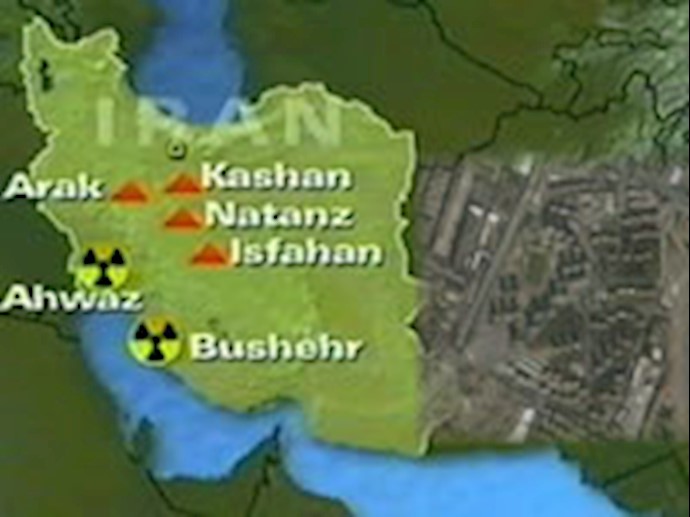
He was referring to information unearthed by an Iranian Opposition group that led to the discovery of the underground plant at Natanz in 2002 and a CIA operation to hack into Iranian computer networks in 2007.
The CIA uncovered evidence that the country had secretly tried to design a nuclear warhead. American officials believe that effort was halted in late 2003.
In advance of today’s announcement, Mr Obama sent some of his most senior intelligence officials to brief Olli Heinonen, the IAEA’s chief inspector. Other American diplomats and intelligence officials shared the findings with China, Russia and Germany, all of whom are important players in the negotiations with Iran.
Contact our advertising team for advertising and sponsorship in Times Online, The Times and The Sunday Times, or place your advertisement.
Britain played a key role in gathering intelligence to expose Iran’s secret nuclear facility, according to Western diplomatic sources.
Officials in Pittsburgh said today that the British intelligence services played a “big part” in the hunt for concealed uranium enrichment capacity in Iran.
French and US intelligence agencies were also involved in the operation that led to exposure of the secret underground plant. Israel was among a number of other countries aware of what was being built.
Tunnelling and other excavation began in mid 2006, but the facility will not be operational until next year according to the current intelligence reports, the sources said.
Evidence that the plant was intended to provide nuclear fuel turns on the relatively low number of centrifuges in the facility, which is near Qum, 100 miles southwest of Tehran.
The plant had capacity for only 3,000 centrifuges, less than 10 per cent of the 50,000 that would be needed to power a civil nuclear reactor, according to the diplomatic sources. If used to make weapons grade uranium the plant would yield enough for about one warhead a year.
Although Iran’s nuclear capability is still assessed as being ’some way off’, a Western diplomat said that Tehran had all it needed in terms of technology and resources to build a bomb.
Russia was privately briefed on the intelligence on Wednesday and is expected to issue a statement from Moscow tomorrow. After hearing of the secret plant, President Medvedev said he believed that sanctions were inevitable. His spokeswoman said the statement was expected to be ’in the same spirit’ – paving the way for a united front on new sanctions that would include Moscow for the first time.
The International Atomic Energy Agency (IAEA) said that Iran had told it that the new plant would enrich uranium to a level of 5 per cent – high enough for nuclear fuel, but not potent enough to make the fissile material for an atomic bomb.
However, Mr Obama said today: “The size and type of the facility is inconsistent with that of a peaceful facility.”
This is not the first time that covert intelligence work has been used to expose Iran’s nuclear plans.
Speaking after his joint press conference with President Obama, Gordon Brown said: ’This is the third time they have been caught red-handed not telling the truth about their intentions.’
He was referring to information unearthed by an Iranian Opposition group that led to the discovery of the underground plant at Natanz in 2002 and a CIA operation to hack into Iranian computer networks in 2007.
The CIA uncovered evidence that the country had secretly tried to design a nuclear warhead. American officials believe that effort was halted in late 2003.
In advance of today’s announcement, Mr Obama sent some of his most senior intelligence officials to brief Olli Heinonen, the IAEA’s chief inspector. Other American diplomats and intelligence officials shared the findings with China, Russia and Germany, all of whom are important players in the negotiations with Iran.
Contact our advertising team for advertising and sponsorship in Times Online, The Times and The Sunday Times, or place your advertisement.