A State Department report finds no improvement in the situation inside the Islamic Republic.
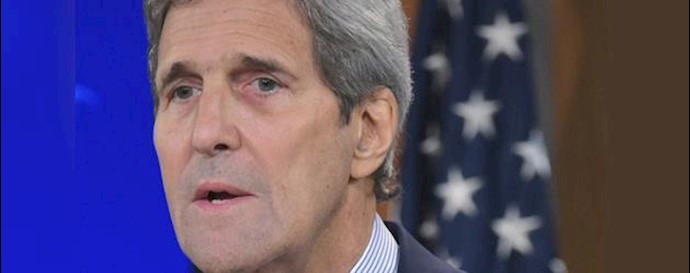
Moments before his departure to join U.S. negotiators in Vienna attempting to finalize a nuclear deal with Iran before a deadline on Tuesday, he stood before a podium at his agency’s Foggy Bottom headquarters releasing a list highlighting human rights violations in countries around the world – a list on which Iran figured prominently.
Predicated on the lifting of economic sanctions in exchange for assurances the Islamic Republic will only pursue nuclear technology for peaceful purposes, some have hoped the nuclear negotiations would lead to a new level of cooperation that could bring Iran to the table on other issues – like human rights.
But so far, there’s been little evidence of any change in behavior. And that left State Department officials delicately explaining how cooperation on a nuclear deal does not signal acceptance of Tehran’s abysmal record on human rights.
“The purpose of the nuclear talks, as we have explained many, many times, is to deal with the nuclear issue. It is not to deal with the human rights issue. It’s a separate concern,” said Tom Malinowski, assistant secretary of state for democracy, human rights and labor. “But we have made it absolutely clear that we – regardless of the outcome of the Iran talks – we are going to continue to speak up and stand out and stand up for human rights in Iran; that if any sanctions are lifted as a result of a nuclear deal, the human rights-related sanctions will remain in place.”
The report, released last week after a months-long delay, said Iran continues to “severely restrict civil liberties” and includes a laundry-list of violations: lack of freedom of assembly, speech, religion and press; disappearances; arbitrary and unlawful detention, torture, and killing; politically motivated violence and repression; denial of fair public trial; the lack of an independent judiciary; and holding political prisoners, among other things.
Despite the ongoing negotiations and what some see as Iran’s desire to join the mainstream international community, Malinowski said the country’s human rights practices in 2014 don’t demonstrate that.
“With respect to Iran, I can’t say that we have seen any meaningful improvement in the human rights situation in Iran, and if you read the reports and compare them to previous years’ reports, you will find the details of what we are concerned about,” Malinowski said. “And it involves, obviously, widespread reports of torture; political imprisonment; repression against ethnic and religious minority communities; government harassment of journalists, bloggers, activists, and so forth.”
A similar trend was found in the State Department terrorism report released last week, which still places Iran on a list of state sponsors of terror. The Islamic Republic’s support of proxies across the Middle East makes it a “serious threat” to the U.S. and its allies, the terrorism report found.
Thursday’s human rights report also called out the Islamic Republic’s long-held questioning of the Holocaust, citing several instances where Iranian leaders, including Ayatollah Ali Khamenei, made anti-Semitic comments.
“In a March 21 Nowruz, or Persian New Year, national address, Supreme Leader Khamenei asserted that the historical reality of the Holocaust was ’unknown’ and questioned if it ’actually did happen,’” the report said. Khamenei and the Iranian regime regularly question the existence and legitimacy of Israel.
US News wire, 25 June 2015