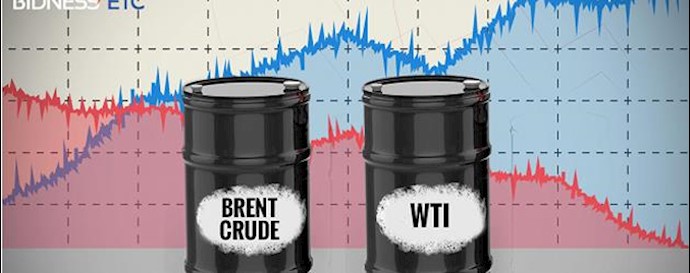
The global benchmark for crude prices, Brent crude dropped below $50 per barrel on Monday, August 3. The growing glut of crude oil along with slowed down global economy has forced crude prices to face its lowest in the last six months.
The US benchmark, West Texas Intermediate, settled at $47.12 per barrel last week, down 21% in the month of July. While, Brent settled at $52.21 per barrel, down by 18% in July. The sell-off of Mondays reported a loss in July, which turned the market into a bearish one. Investors are fleeing away from the market as the future outlook of the industry remains skeptical.
According to the Bank of America Merrill Lynch (BAML), the Brent crude could fall below the light crude oil of US by spring of 2016, provided that gasoline demand of US remains the same way. Currently, WTI is discounted at around $5 to Brent.
The main reason why WTI can overtake Brent is the high production rate of crude along with slower demand. The global production of crude has increased this year as the output from US reached 95 million barrels in July, higher than the five-year average. The US production of crude is increasing at a rate of 9%.
The US dollar and economy have been stronger than the global economy in recent times. The production of US has peaked in recent times while its competitors are giving their best to reach that mark. The WTI needs to be higher than Brent to attract more imports to the country. The rig count last week in US increased to 664 as Baker Hughes Incorporated (NYSE:BHI) reported.
The BAML believes that as the US refiners shift their focus towards producing gasoline, they will need to continue its import of crude oil at a higher pace so that increased crude prices will attract foreign buyers.
The increasing US supplies have put competitive pressure on international companies as they are concerned about lowering of crude prices, dwindling of consumer demand and gaining of high market share. The crude supplies from Organization of Petroleum Exporting Countries (OPEC), including Saudi Arabia and Middle East countries, also went up by 6.5% this year as they pumped more than 32 million barrels a day in July. The increased production has put a downward pressure on global crude prices.
In July, exports from Iraq peaked to 3 million barrels per day (MMbpd). Once the sanctions are removed, Iran’s output is expected to increase by 500,000 bpd to 1.5 million bpd.
The collapse of China’s stock market, the leading energy consumer and importer is paving a way for low global oil demand as imports to China might be lower in the near future. It is expected that inventory level in China would drop in the first half of the next year. Demand from other countries including India, Japan, Russia, and Brazil has also slowed down.
Despite this slowing demand, the 101 companies that Barclays cover, are not cutting their production but are planning to increase their output to 1.4 million bpd this year. This suggests that the market will not regain its balance soon. The analyst at oil brokerage firm PVM, David Hufton said: “The prospects of a second half-year price rebound have evaporated and there is a clear and present danger of prices revisiting the previous lows of the year.” The BAML believes that prices will touch their lowest in the coming months.
Bidness Etc, 4 August 2015