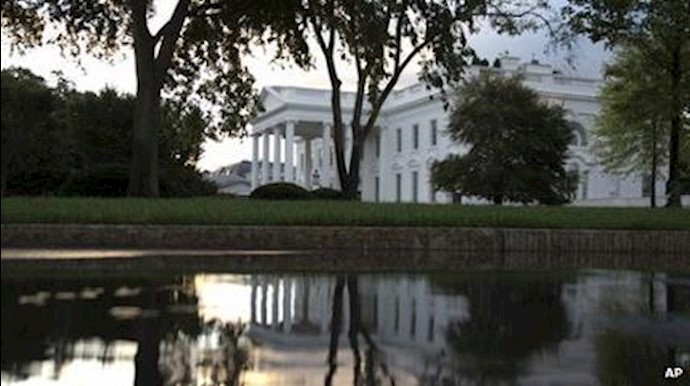

A senior Obama administration official says the president is prepared to consider “a wide range of options” should negotiations with Iran fail to reach a comprehensive agreement over its nuclear program, The Washington Post reported on May 1st.
“If talks break down, and if Iran is not negotiating in good faith, we are prepared to work with Congress to impose more sanctions,” said Jake Sullivan, the deputy assistant to the president, when asked what the logic is behind revisiting sanctions policy should diplomacy fail in Vienna.
“The logic behind that is that there is an opportunity to continue to sharpen the choice for Iran: they can either negotiate in good faith and arrive at a resolution that resolves the international community’s concerns about their program, or they are going to face mounting pressure,” Sullivan added.
“We’ve also made clear that sanctions aren’t the only tool available,” he said. “As the situation unfolds, we’re prepared to consider a very wide range of options.”
Also speaking to the forum at the Mandarin Oriental, Representative Ed Royce (R-CA), chairman of the House Foreign Relations Committee, spoke in the past tense of what successful policy on Iran might look like.
“Failure is anything short of having a verifiable way to dismantle the nuclear weapons program,” Royce said. “Failure would be allowing Iran to proceed with an [intercontinental ballistic missile] program.”
“Success,” he said, “would have been to pass that legislation.”
Royce was referring to legislation passed over the summer through the House of Representatives, by 400 to 20, to further sanction Iran’s oil sector. The conservative think tank, FDD, was at the table in the drafting of the bill.
Reacting to the shift, Senate Foreign Relations Committee chairman Robert Menendez (D-NJ) adapted the legislation to include a trigger for sanctions should the P5+1 talks fail to achieve a comprehensive solution to the impasse.
On Thursday, Menendez told FDD that he stands by the bill, suggesting its passage will “prevent a set of circumstances” in which Obama, or his successor, will face a stark dilemma: acceptance of a nuclear Iran, or war.
“No one wants a diplomatic solution more than I do. But it cannot be a deal for a deal’s sake,” Menendez said. “And I am worried they want a deal more than they want the right deal.”
Before that time, Menendez suggested that his “trigger” sanctions bill might be revisited.
“I think that time may be coming soon,” the chairman added.
White House says it has ‘wide range of options’ if Iran talks fail