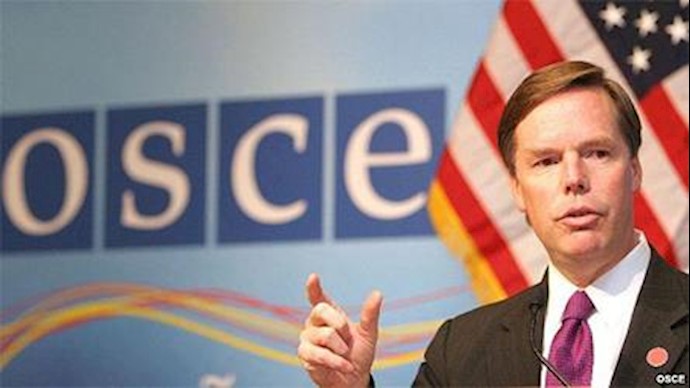
Palo Alto, Calif. – JAN. 18, 2016 – The implementation of the nuclear deal and the lifting of sanctions on Iran, as well as the prisoner exchange, combined to make it a rare, hopeful day for Washington and Tehran. But Iran remains a powerful adversary of America across nearly all the conflicts of the Middle East. President Obama and his successor in the White House will be tested by whether they can find the right balance between cooperation on nuclear issues and containment of Iranian aggression.
The deal will have multiple consequences. With the lifting of sanctions, Iran becomes a major player in global energy markets.
The commitments made by Tehran’s lead negotiator, Foreign Minister Javad Zarif, will be difficult to disavow in the future without major costs to Iran’s global reputation. If it tries to trim or cheat on its obligations, the world will be watching.
Despite the nuclear deal’s many promises, however, the road to a more normal American-Iranian relationship will be long and rocky. That is how I saw it when I helped to negotiate sanctions against Iran for the Bush administration a decade ago. It remains true today.
One immediate challenge will be to deal with two Iranian governments at once. Mr. Kerry pounded out the agreement with the American-educated Mr. Zarif, who was backed by Iran’s president, Hassan Rouhani. But real power still rests with Iran’s supreme leader, Ali Khamenei, a recluse who is supremely distrustful of all things American and closer to the hardline Islamic Revolutionary Guards Corps (IRGC) than to the reformists.
The Guards Corps’ influence over Iran’s national security strategy has been visible since the nuclear deal was announced. In recent weeks, Iran tested ballistic missiles in defiance of United Nations Security Council resolutions and fired rockets close to American warships in the Strait of Hormuz. After detaining American sailors last week, Iran released a demeaning video of the incident.
The IRGC is also driving Iran’s continued support for Houthi rebels in Yemen, Hezbollah in Lebanon and Syria and the bloody government of President Bashar al-Assad. It is the IRGC that may be tempted to cheat on Iran’s nuclear obligations and return to taking American hostages.
Dealing with these rival camps will be a challenge. Mr. Kerry is right to test whether Iran will be more cooperative in the negotiations to end the war in Syria and in the fight against the Islamic State. But the administration will need to be equally determined to contain the worst aspects of Iran’s aggression in the region.
The president made a start Sunday by announcing sanctions against Iran for its missile tests. Mr. Obama will also need to repair our damaged relationships with Israel and Saudi Arabia to limit the mayhem Iran may yet cause in Syria. He should also counter any Iranian attempt to encourage its clients Hezbollah to resume rocket attacks on Israel.
This will be a difficult set of issues to manage in a polarized election year. Is it too much to hope that some G.O.P. leaders might drop their opposition and help implement the deal? Or that more Democrats will back a tough-minded approach to Iran’s troublemaking?
One thing is clear: The United States will face a major strategic challenge from Iran this year and next. In order to realize the long-term benefits of this historic deal, the United States must continue to balance engagement with deterrence.
Extracted from an article by NICHOLAS BURNS in the New York Times
Nicholas Burns, a professor at the Harvard Kennedy School and a former undersecretary of state, is a visiting fellow at Stanford.