
Foreign-based Persian-language satellite news channels and opposition websites, which have wide audiences in Iran although they are officially banned, reported that Evin security guards in Ward 350, backed by agents of the Islamic Revolutionary Guards Corps and the Intelligence Ministry, had stormed the cellblock in a violent clash that left more than 30 detainees injured, some seriously, The New York Times reported on April 21st.

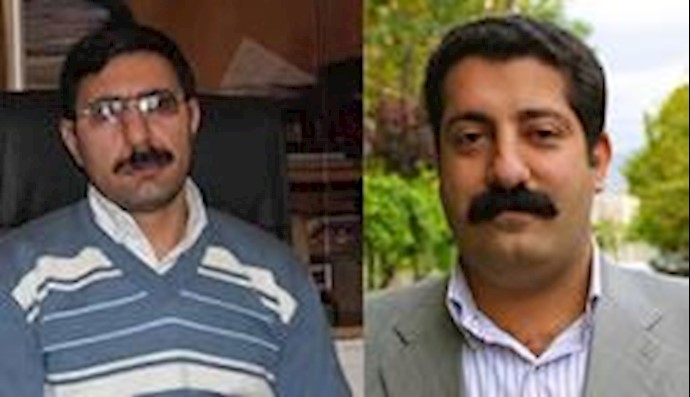
One website said two prominent detainees, Omid Behroozi, a lawyer, and Esmail Barzgari, a musician, had been hospitalized with ruptured blood vessels and broken ribs and later placed in solitary confinement, tied to their beds.
The website, which carries coverage highly critical of the government, quoted Mr. Behroozi’s father, Omid, as saying in an interview that “some of the prisoners are dying there. Whom should I ask about my son?”
Another website also quoted the daughter of Abdolfattah Soltani, an imprisoned rights lawyer, as saying the inmates had resisted the inspection because in the past the guards had taken their belongings, but the response of the guards on this occasion “was to beat them.”
Amnesty International, the London-based human rights group that has frequently criticized Iran’s judicial system, said there were reports that at least 32 detainees had been placed in solitary confinement because of the incident.
Accounts of a violent clash were so widespread that on Sunday, relatives of the inmates demonstrated outside the Parliament building to protest. Such demonstrations are highly unusual in the capital, where any unauthorized political demonstrations are quickly suppressed.
The issue of political prisoners remains a highly sensitive topic in Iran, a legacy of the violent suppression of protests over the disputed 2009 presidential elections that gave the incumbent, Mahmoud Ahamdinejad, a rigged victory.
Despite promises by Mr. Ahamdinejad’s successor, Hassan Rouhani, to loosen some of the constraints on Iranian society, and an initial release of detainees after Mr. Rouhani took office last August, dissidents and expatriates say little has changed. They also point to an increased number of public executions in Iran under Mr. Rouhani as a sign that a repressive atmosphere persists.