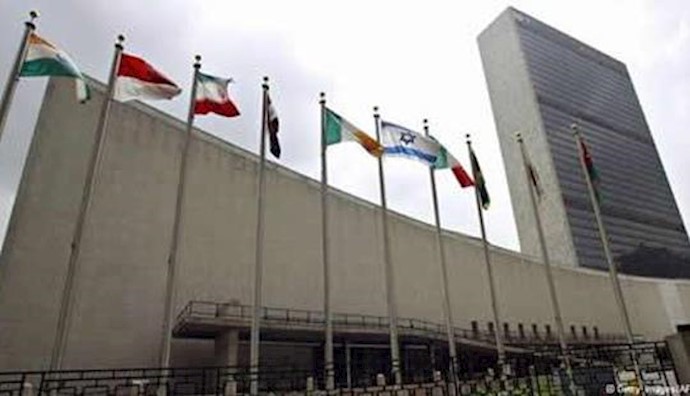
New York Times – 27 Oct 2014 — Executions have surged in Iran and oppressive conditions for women have worsened, a United Nations investigator said on Monday, drawing attention to rights abuses just as Iran’s president is pushing for a diplomatic breakthrough with the West.
The investigator, Ahmed Shaheed, a former diplomat from the Maldives and now special rapporteur on human rights in Iran, made the comments on the eve of presenting his latest findings to members of the United Nations General Assembly.
Mr. Shaheed said he had been shocked by the execution on Saturday of Reyhaneh Jabbari, 26, who was convicted of killing a man she had accused of raping her.
Between July 2013 and June 2014, Mr. Shaheed’s report says, at least 852 people were executed, in what he called an alarming increase from rates that were already high.
Among those put to death were at least eight juvenile offenders and four minority Arabs whom Mr. Shaheed described as “cultural rights activists.”
Mr. Shaheed said minorities are sometimes charged for “exercising their rights to peaceful expression and association.”
The Iranian Mission to the United Nations did not respond to a request for comment on the report.
Mr. Shaheed’s report contains the government’s rebuttal to his findings, including its contention that Iran does not prosecute anyone on the basis of ethnicity.
Mr. Shaheed has vexed Iran’s leaders since his appointment in 2011. He has said he has not been allowed into the country but has interviewed 400 Iranians, about a third of them living in Iran, including some prisoners who spoke to him on smuggled cellphones.
Since then, he has produced seven reports to the United Nations. In the latest, he emphasizes what he calls worsening conditions for Iranian women.
New quotas that limit women’s higher education, he said, have sharply reduced the percentage of female students entering university. In addition, he pointed to laws that restrict the ability of unmarried women to work.
The report says at least 35 journalists are in detention.
Many websites are blocked, including Facebook and Twitter, though Iranians commonly circumvent those controls.