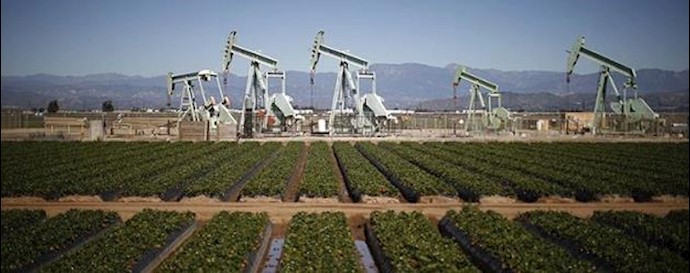
Oil investors and forecasters say a rebound in oil prices is unlikely before the second half of next year or 2017, while they had predicted early in the year that prices would recover in the second half of 2015, The Wall Street Journal reported on Saturday, August 22nd. U.S. government forecasters last week cut their oil-price estimates and see oil holding below $60 a barrel, on average, through 2016.
The shift in sentiment is partly due to the resilience of U.S. oil producers, who are continuing to pump crude at near-record levels despite months of spending cuts, thanks to new efficiencies in drilling technology. An unexpected price rally in the second quarter allowed some companies to lock in profitable prices for next year and add new drilling rigs.
In intraday trading, the benchmark U.S. oil price tumbled as low as $39.86 a barrel on the New York Mercantile Exchange. The futures price later pared losses to finish at $40.45 a barrel, down 2.1%, or 87 cents, on the day.
Brent crude, the global benchmark, fell $1.16, or 2.5%, to $45.46 a barrel on ICE Futures Europe.
Crude prices below $40 a barrel could further destabilize oil-producing nations, which are suffering from low revenues and currency volatility. Analysts also expect to see more defaults and consolidation among energy companies as banks cut the amount of money that producers can borrow. Private-equity firms, which have amassed large energy-focused funds, could find buying opportunities among distressed producers.