Sailor Apologizes to Iran for ‘Mistake’
A United States Navy sailor apologized after he and nine others entered Iranian waters.
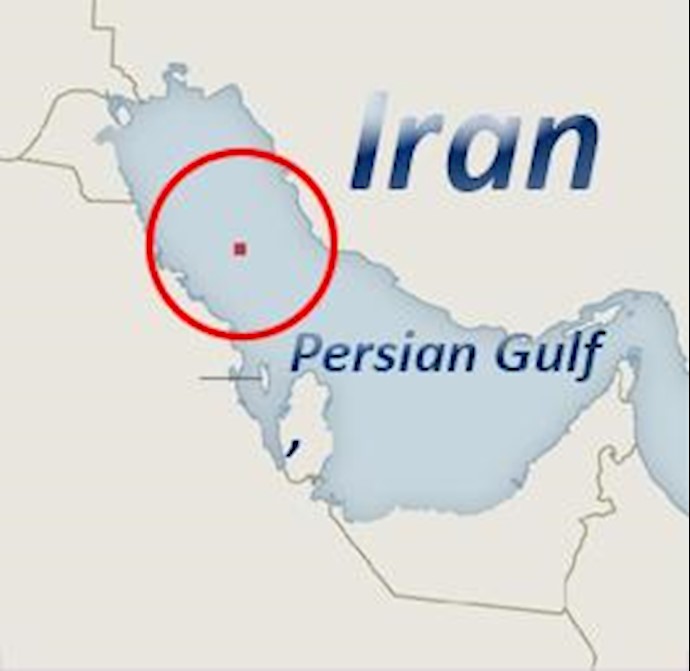
TAMPA, Fla. – The American sailors detained by Iran earlier this week made a navigational error that mistakenly took them into Iranian territorial waters, New York Times cited Defense Secretary Ashton B. Carter saying on Thursday Jan. 14, 2016.
The 10 sailors on the boats did not report the navigational error to their superiors before they were taken by the Iranians, Mr. Carter said. “It may have been they were trying to sort it out at the time when they encountered the Iranian boats,” Mr. Carter said.
Mr. Carter addressed the episode at news a news conference here at the United States Central Command and in a television interview with Fusion. He declined to provide a timeline of the events Tuesday or explain what had caused the navigational error, saying that the sailors were still being debriefed and that there could be other factors that played a role in the episode.
“They were aware they should not get into Iranian territorial waters,” he said in the television interview.
“Obviously I don’t like to see our people being detained by a foreign military,” he added.
Along with interviewing the sailors, military investigators are looking at satellite data and have examined the boats. So far, they have found little evidence that the Iranians took significant pieces of equipment off them, according to Gen. Lloyd J. Austin III, commander of CENTCOM, who oversees American military operations in the Persian Gulf.
“They are going through inventories right now, for the most part all the gear that we deploy with was largely there when we got the boats back,” said General Austin, speaking at the news conference at CENTCOM headquarters alongside Mr. Carter.
Mr. Carter had traveled to CENTCOM to meet with senior military leaders leading the efforts to defeat the Islamic State.
Defense Department officials said that the Navy was conducting an investigation into the episode, they said it would be some time before a complete picture emerged.
According to these officials, the Navy first lost radio contact with the boats on Tuesday afternoon, and after the boats failed to make a scheduled refueling stop, the Navy sent search and rescue aircraft to look for them. GPS equipment on the boats showed the boats were in Iranian territorial waters. The rescue aircraft, an official said, also entered Iranian airspace, after first alerting the Iranian authorities that the two boats were missing.
Current and former Navy officials said Thursday that the seizure of the two boats reflected not just a major navigational blunder by the crew but possibly a serious lapse of oversight by more senior leaders at the Navy’s Fifth Fleet headquarters in Bahrain.
Cmdr. Kevin Stephens, a spokesman for the Fifth Fleet, declined to comment in an email on whether the crew or senior commanders were at fault in this week’s episode. “As the investigation provides us with a full understanding of the circumstances that led to the incident we will assess whether our existing procedures and policies were followed in this case and whether any might need to be adjusted as a result of lessons learned from this event.”
In the cramped international waters of the Persian Gulf relations between the Navy and the Islamic Revolutionary Guards Corps have long been tense. Both sides routinely spy on each other, and incidents are not infrequent.
The Fifth Fleet maintains a presence in the Persian Gulf, including the aircraft carrier, and lately has had several episodes with Iran. Two weeks ago, Iranian vessels harassed an American carrier and a French frigate in the Strait of Hormuz, launching rockets that passed within 1,500 yards of the aircraft carrier Harry S. Truman.