JANUARY 5, 2016
According to the New York Times, Saudi Arabia and the United States have been partners — not allies. Typically, America’s allies share values and not just interests. With the Saudis we have been bound by shared interests and shared threat perceptions. Indeed over the years, those who threaten the Saudis have also threatened us, and vice versa.
During the Cold War, the Saudis’ staunch anticommunism made them a natural partner in our competition with the Soviets. The U.S. saw the Saudis as a force for regional stability, particularly as they would financially shore up other western-oriented states like Jordan. But the U.S. also saw the Saudis as the key to a stable oil supply.
Distancing from Saudi Arabia now will raise further questions with America’s traditional partners in the Middle East.
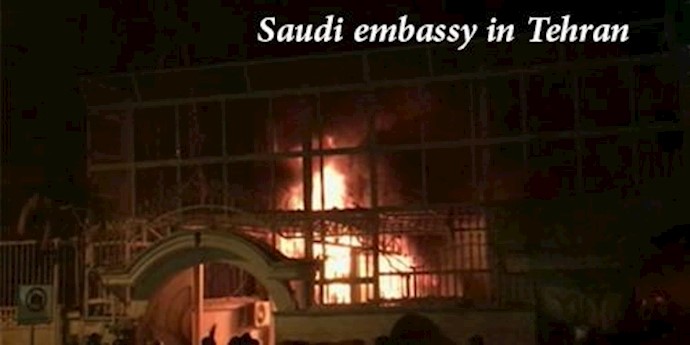
The Saudis, too, are now threatened by ISIS, and are trying to root out its followers within the kingdom. But as the conflicts in Syria and Yemen demonstrate — and as the breaking of relations with Iran now highlights — the Saudis see the Iranians and their Shiite militia proxies as their preeminent threat. They are far more ready to challenge them, particularly in the aftermath of America’s nuclear deal with Iran. The Saudis see the Obama administration as unwilling to challenge the Iranians and worry about how Iran will exploit the sanctions relief it will soon receive.
In effectthe Saudis are drawing their own red line with Iran because they doubt that the U.S. will. For understandable reasons, the Obama administration does not want to see a worsening of the Sunni-Shiite conflicts in the region. But are the Saudis the sole source of this? Or has Iran, in Iraq, in Syria, in Bahrain and in Yemen added much to this? And will they provide additional material support to their proxies once they receive sanctions relief? Nearly all of America’s friends in the region, including both Arabs and Israelis, are convinced they will and are watching to see how the U.S. responds.
This is a delicate moment. Distancing from Saudi Arabia will raise further questions with America’s traditional partners in the Middle East and might mislead the Iranians into thinking the U.S. will never hold them to account on the nuclear deal or their regional behavior. And, yet, the Saudis, too, need to see that future U.S. commitments to Saudi security could very likely be affected by how much they seem to want to add to current conflicts rather than contain or resolve them.