The Washington Post, 19 July 2015
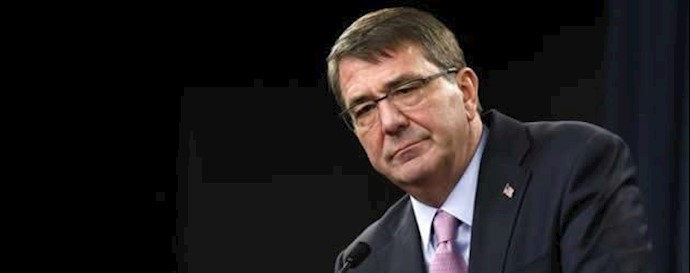
US Defense Secretary Ashton B. Carter began a tour Sunday of Middle Eastern nations whose alliances with the United States have been strained by President Obama’s nuclear agreement with Iran.
Carter is the highest-level U.S. official to visit Israel and Saudi Arabia since six world powers struck the deal, designed to prohibit Tehran from developing a nuclear weapon.
The nuclear agreement is viewed with alarm in Israel, where officials fear the deal won’t effectively block Iran’s path to a bomb, and in Sunni-led Persian Gulf nations, which worry it will enhance the Shiite power’s influence across the Middle East.
Pentagon officials say Carter’s visit was planned prior to the conclusion of nuclear talks and is not intended as a reassurance tour. But this week’s meetings in Tel Aviv and in Jiddah, Saudi Arabia, will focus in part on plans for countering Iran’s support for common adversaries, which include the Lebanese militia Hezbollah, the Palestinian militant group Hamas and Houthi rebels in Yemen.
Iran’s supreme leader, Ali Khamenei, promised this past weekend that Tehran would continue its support for allies in Yemen and Syria, where Iranian support has helped Bashar al-Assad survive four years of civil war.
American officials are also stressing that while diplomacy prevailed this month, they will not rule out potential use of unilateral military action if Iran should violate the terms of the nuclear agreement.
“One of the reasons this deal is a good one is that it does nothing to prevent the military option. . .which we are preserving and continually improving,” Carter told reporters en route to Tel Aviv. “But the point of the nuclear deal is to get the result of no Iranian nuclear weapon without carrying out a military strike.”
Leaders in Saudi Arabia, meanwhile, fear that Iran’s access to more than $100 billion in frozen assets, once sanctions are lifted, will enable it to fund Shiite militant groups such as the Houthis, which Riyadh and other Arab nations are now battling with U.S. support.
Despite American assurances, Gulf nations also fret that the United States is turning away from the region, which remains in turmoil four years after the Arab Spring. In keeping with the kingdom’s traditions, Saudi opposition has mostly been voiced privately.
Carter said he would focus in meetings with King Salman and Defense Minister Mohammed bin Salman on enactment of commitments made at a summit of Gulf leaders in May. Steps agreed upon at the Camp David gathering include enhanced U.S. support for Saudi Arabia’s cyber, terror and maritime defenses. But officials say no major weapons packages or military initiatives will be unveiled in either country.
Carter will also visit Jordan, where talks will focus on the Islamic State, whose military successes and widespread appeal have transformed the region as much as the nuclear deal promises to do.