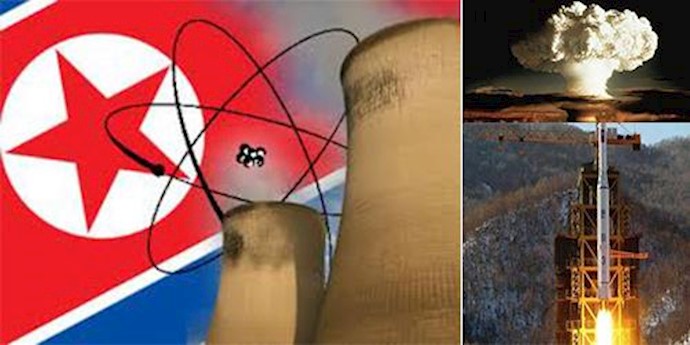
North Korea continues to take important steps in improving its ballistic missile technology.
Despite knowing that this test would cause outrage in the international community and even with its key ally, China, North Korea went forward with it. This likely means that the Iranians are paying the North Koreans billions of dollars to conduct three-stage ballistic missile technology tests on their behalf. Thus, we can expect more tests to happen in the future. It can also be expected to see shipments of ballistic missile components to Iran in the near future.
What the ROK and US can do about the missile test:
– In the short run the ROK and the U.S. can immediately increase sanctions against North Korea. But the important thing here is more implementation than the sanctions themselves. Sanctions are already in place that could hurt North Korea _ yet have not _ because key aspects of North Korea’s economy (illicit activities and proliferation specifically) operate largely outside of the global economic system.
Immediately, steps should be taken to do the following: The United States needs to upgrade and maintain strong BMD in both East Asia and the Middle East. This should include providing our allies in Israel upgrades to BMD systems (because of North Korean ballistic missile proliferation to Iran and Syria), and intelligence on developments in Iranian missile programs. In East Asia, we should encourage our allies in South Korea to make badly needed purchases of SM-3 missiles for their Aegis-equipped ships, upgrades to PAC-3 PATRIOT systems, and deployments of the THAAD system to the Korean Peninsula. South Korea should also be encouraged to join the U.S.-led BMD system (as Japan has done).
– In the more forward looking aspect of this, Washington should actively take on North Korea’s sophisticated worldwide proliferation networks. This must include collaborative efforts by the State Department and the Treasury Department, working with international law enforcement and banking authorities, to go after the front companies and banks that hide North Korea’s illicit money obtained from proliferation efforts.
North Korea – quite literally – operates its proliferation networks outside of the international system (much like a mob family). These illegal and illicit efforts – by estimates from both the State Department (in 2008) and the Congressional Research Service (in 2010) comprise about 40 percent of North Korea’s real economy, and containing or constraining them will give the U.S. significant leverage with a government that is already one of the most isolated in the international community. Kick starting these American efforts to take this challenge on will initially take months to get rolling _ but will hit North Korea where it hurts the most (the pocketbook) as they begin to take action against front companies and banks ― which in the case of banks means that if North Korean funds are not frozen out, American assets will (based on Treasury Department initiatives) not do business with any bank that does business with North Korea.
By Bruce E. Bechtol Jr.
Source: www.koreatimes.co.kr