AFP, Paris, Sept 3, 2009 – Threats of sanctions from one side, allegations of espionage and meddling from the other, France’s relations with Iran have hit a dangerous new low even as international tensions rise over Tehran’s nuclear programme.
While concern over Iran is shared by governments around the world, recent statements from French leaders have taken a markedly sharp tone, and in turn been matched by bitter accusations from Tehran.
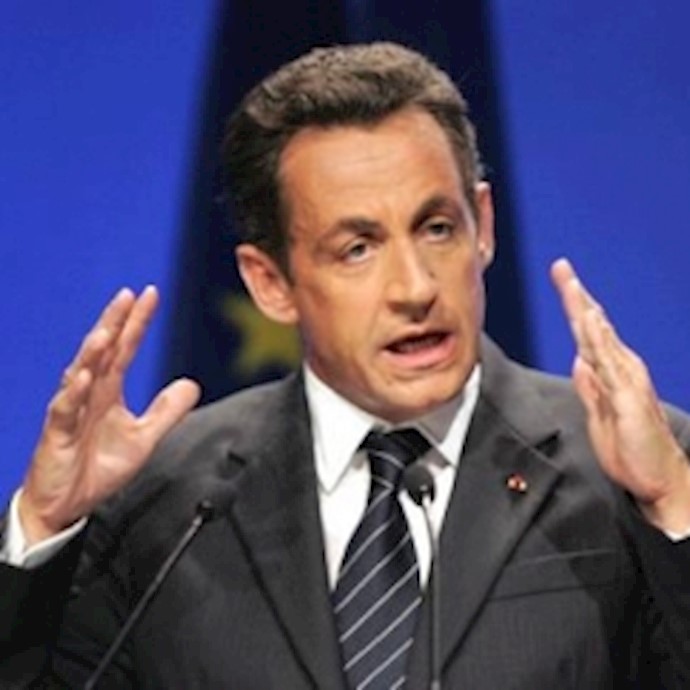
President Nicolas Sarkozy lashed out again this week, declaring: ’The people of Iran deserve better than their current leaders. I want to say how much we admire the courage of the Iranian people.’
In Tehran, this was seen as calling into question the legitimacy of President Mahmoud Ahamdinejad’s re-election and as support for the street protests against his rule.
’Unfortunately, France, which is adopting more and more extremist stances, has decided to interfere in the domestic affairs of Iran, which is totally unacceptable,’ responded Iranian foreign ministry spokesman Hassan Ghashghavi.
No wonder, then, that French diplomats admit that relations with Tehran are ’appalling’, especially since June’s Iranian election, which triggered demonstrations and allegations of vote-rigging.
’Among Western countries, France was certainly the one that very early made the most critical statements about the legitimacy of this election,’ said Denis Bauchard of the French Institute for International Relations (IFRI).
Ties were further strained when Iranian officials arrested Clotilde Reiss, a 24-year-old French university teaching assistant whom Tehran accused first of spying and then of inciting anti-regime protests.
France angrily dismissed the charges, but Reiss was paraded on television in a mass show trial of alleged troublemakers and was held in Tehran’s notorious Evin jail for more than six weeks.
She has now been released on bail but must remain in the French embassy in Tehran until a verdict is pronounced in her case. In the meantime, the tone of relations has if anything worsened.
France’s Foreign Minister Bernard Kouchner dismissed the charges against Reiss as ’twaddle’ after summoning Tehran’s ambassador to protest.
’We’re not meddling, but standing by our democratic values,’ he said.
Behind the disagreements over Reiss and the election looms the broader crisis over Iran’s nuclear fuel enrichment programme, which France is convinced hides a plan to develop nuclear weapons.
Earlier this year, when US Preside Barack Obama was vainly attempting to lure Ahamdinejad’s regime into negotiations, Sarkozy was already brandishing the threat of further economic sanctions.
Now, with the Western allies moving towards a joint position, France is in the vanguard of those calling for what Sarkozy has called ’severe sanctions … at the UN Security Council and the European Union.’
’The political crisis made us forget that, amid the repression, weapons proliferation has continued. There is always more nuclear military work, more missile tests and there have never been so few negotiations,’ Sarkozy said.
’It is the same Iranian leaders who tell us that the nuclear programme is peaceful who tell us that their elections were honest. Who can believe them?’
So has all the French pressure persuaded Iran to soften its line? It would appear not.
’I call my counterpart in Iran every week,’ said Kouchner. ’Does that achieve anything? No, no and no.’