URGENT ACTION
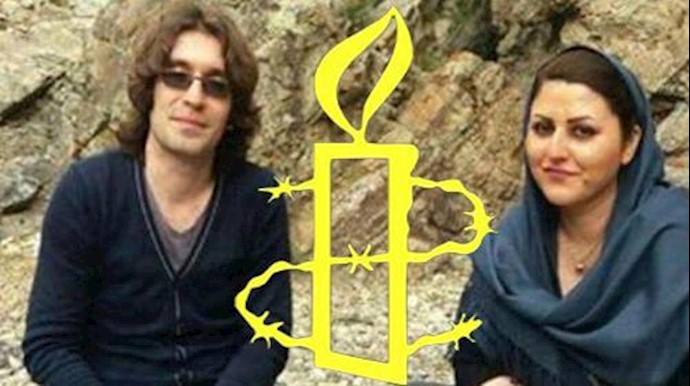
Iranian prisoner of conscience and human rights defender Arash Sadeghi is being subjected to torture by Revolutionary Guard officials who are blocking his access to urgent medical care. He is suffering from respiratory problems and a stomach ulcer that has led to internal bleeding, abdominal pain and digestive complications.
Critically-ill human rights defender Arash Sadeghi is being denied access to urgent medical care outside Evin prison by Iran’s Revolutionary Guards. Doctors say that he requires an extended period of hospitalization in order to restore his health, which severely deteriorated during his last hunger strike and has worsened as a result of his ongoing lack of access to medical treatment. He is suffering from severe kidney and respiratory problems. He has also developed a stomach ulcer that has led to internal bleeding, abdominal pain and digestive complications, preventing him from eating solid food. The Office of the Prosecutor in Tehran told his family in early February that the Revolutionary Guards are blocking his transfer to a hospital outside prison even though the office has authorized the transfer. The denial of access to medical care in these circumstances amounts to torture.
Arash Sadeghi is being punished for staging a 72-day hunger strike between October 2016 and January 2017, in protest at the imprisonment of his wife Golrokh Ebrahimi Iraee, who is also a human rights defender. She has been sentenced to six years in prison on charges that include “insulting Islamic sanctities” for writing an unpublished fictional story about the practice of stoning. Arash Sadeghi’s hunger strike led to a public outcry which eventually pressured the authorities to release his wife on temporary prison leave. However, soon after he ended his hunger strike and the media attention subsided, the Revolutionary Guards resorted to punitive tactics. First, they made his access to medical care conditional on his wife’s return to prison. Then, they obstructed the judicial review of the couple’s case by Iran’s Supreme Court by preventing the transfer of the court files from the Revolutionary Court in Tehran. Finally, on 22 January, they rearrested and returned Golrokh Ebrahimi Iraee to Evin prison despite the authorities having promised to extend her prison leave until her case had gone through the judicial review process. Three days later, Arash Sadeghi was moved to Section 350 of Evin prison, where political prisoners have limited contact with the outside world and are only allowed to make brief phone calls once a week. It has been months since the authorities last allowed the couple to see one another.
Amnesty International is urging the Iranian regime authorities to:
• Release Arash Sadeghi and Golrokh Ebrahimi Iraee immediately and unconditionally, as they are prisoners of conscience, imprisoned solely for peacefully exercising their rights to freedom of expression, association and assembly through their human rights work;
• Stop using the denial of medical care as a form of additional punishment against Arash Sadeghi and ensure that he is immediately granted access to specialized medical care outside prison;
• Investigate those responsible for denying Arash Sadeghi medical care, which amounts to torture given his medical needs, and bring them to justice in proceedings that meet international fair trial standards.