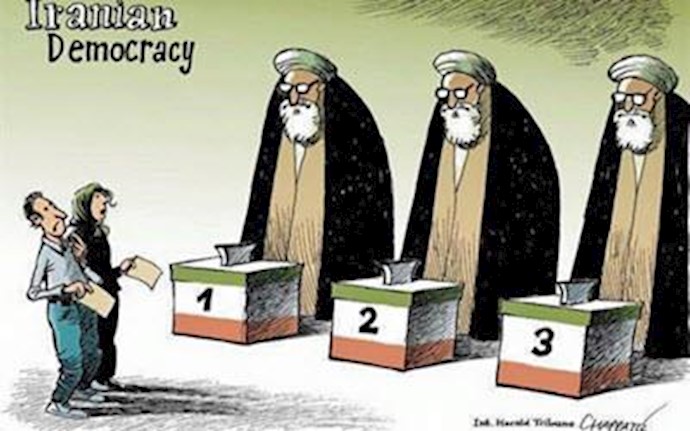
The Washington Post, May 18, 2017— IRAN’S PRESIDENTIAL election on Friday is a familiar contest between a relative moderate, the incumbent Hassan Rouhani, and a hard-line conservative backed by the Revolutionary Guard and, it seems, Supreme Leader Ayatollah Ali Khamenei. It’s not correct to say the difference between them is insignificant: Mr. Rouhani, embraced by Iran’s educated middle class, favors more relaxed enforcement of Islamic rule at home and engagement with Western investors abroad, while opponent Ebrahim Raisi is a populist who rails against foreign influence and predicts the “Zionist regime” of Israel will be “wiped . . . from Jerusalem.”
From the U.S. point of view, however, it’s not clear that there’s a side to root for in what will be the 12th presidential election since the 1979 revolution. Both candidates have promised to stick with the 2015 deal that froze Iran’s production of enriched uranium and other nuclear activities for about a decade. And both appear committed to Iran’s aggressive bid for hegemony in the Middle East by other means, including military interventions in Iraq and Syria, support for rebels in Yemen and harassment of U.S. ships in the Persian Gulf.
Mr. Rouhani’s bet has been that Iran can wage those wars while simultaneously boosting its economy with lucrative investment and trade deals. So far he’s been half-right: Iran has doubled its oil exports since the nuclear deal, boosting economic growth to more than 7 percent. But big Western banks and investors have largely stayed out of Tehran, in part because of lingering U.S. sanctions. The government has consequently been unable to finance big infrastructure projects, and ordinary Iranians have seen few benefits. Unemployment remains stuck at more than 12 percent.
The president has meanwhile had no luck reining in the judiciary or Revolutionary Guard at home. At least four U.S. citizens, along with several other Westerners, are being held as de facto hostages by these factions, further depressing the appetite of would-be investors.