GENEVA – U.N. agencies and key partners say they are starting to get basic supplies to besieged areas in Syria but haven’t reached about 20 percent of those in urgent need and are “extremely concerned” about some 500,000 people.
They said in a joint statement Monday that since the beginning of the year the U.N. and its partners have reached over six million people with aid through regular deliveries and recent convoys to besieged towns.
But U.N. humanitarian chief Stephen O’Brien and the nine other signatories said not enough aid is getting through and medical supplies and equipment are still being removed at checkpoints, which is “unacceptable.”
Russia’s Foreign Minister says federalization is one possible option in Syria if it is the will of the Syrian people.
Sergey Lavrov said Monday that Russia will support whatever solution the Syrian government and the opposition devise to end the country’s war, including “any form (of government) whatever it may be called: federalization, decentralization, unitary state.”
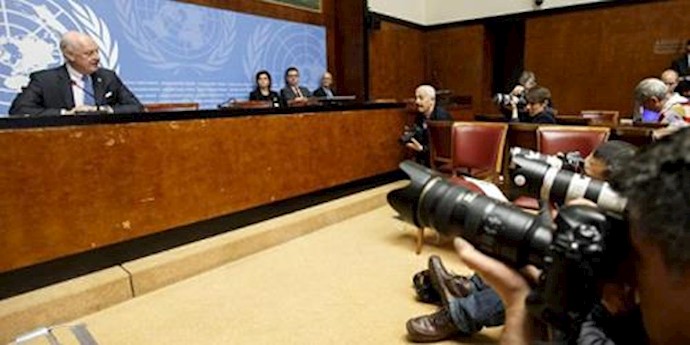
The U.N. special envoy for Syria says a resumption of peace talks between government envoys and representatives of the opposition is a “moment of truth” and insists the “only Plan B available is return to war.”
Staffan de Mistura spoke to reporters Monday moments before resuming “proximity talks” in Geneva, a month after suspending them in an upsurge in violence in Syria. The talks come as he said a “fragile” cease-fire has largely held since Feb. 27, and humanitarian aid deliveries have resumed in recent weeks.
Many observers say the peace talks are the best chance in years to end a war moving into its sixth year, leaving at least 250,000 people dead and forcing at least 11 million people to leave their homes — many abroad.
Source: AP, 14 March 2016