By Stephen Rademaker and and Blaise Misztal
The Washington Post, 8 Nov 2011 – When the computers that control Iran’s centrifuges were attacked by the Stuxnet worm beginning in 2009, the assault was widely ascribed to intelligence services intent on setting back Iran’s nuclear program. More significant than the damage to Iran, however, has been the damage to Western resolve, as the United States and other countries have become more complacent about the Iranian threat.
Combined with attacks targeting Iranian nuclear scientists and reports of shortages of key materials needed for centrifuges, Stuxnet has given rise to an increasingly accepted narrative that we have more time to contain Iran’s nuclear ambitions than was previously thought.
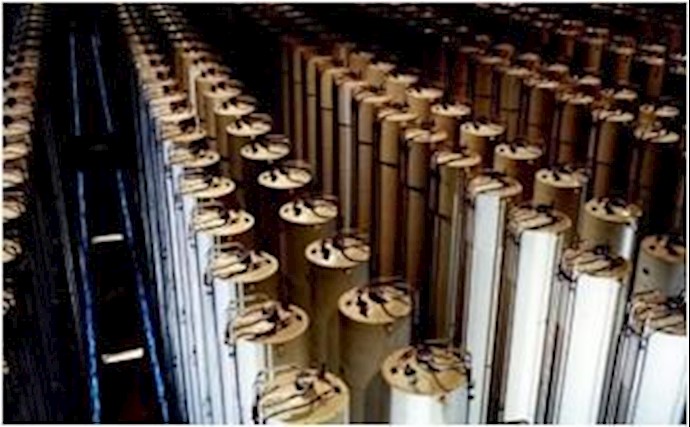
In a series of reports, the Bipartisan Policy Center has been tracking the progress of Iran’s nuclear program. We calculate that, if it chooses, Iran could produce enough highly enriched uranium for a nuclear device in just 62 days using its existing stockpiles and current enrichment capability.
And international inspectors examine Iranian facilities only about once every two months. This means that Tehran is approaching the ability to produce a bombs worth of highly enriched uranium before the international community realizes it has happened.
This timeline will contract substantially if Iran continues on its current course. Because enrichment from 3.5 percent to 20 percent requires about four-fifths of the effort to enrich from 3.5 percent to 90 percent, Tehran’s continued production of uranium enriched to 20 percent will dramatically decrease the time it would need to produce weapons-grade highly enriched uranium. Once Iran acquires more than 150 kilograms of uranium enriched to 20 percent which could happen by early 2013 if Iran’s announced plans are realized it would need only 12 days to produce enough fissile material for a bomb.
Now, none of this denies that the Stuxnet worm might have kept Irans program from accelerating even more quickly. It appears, for example, that Stuxnet may have caused about 1,000 Iranian centrifuges to fail. According to IAEA data, in May 2009, right before the first known Stuxnet infection, Iran was operating 4,920 centrifuges at Natanz. By January 2010, only 3,772 centrifuges were spinning there. It is also plausible that sanctions have impeded Iran’s ability to purchase materials for new centrifuges.
But these developments are of little comfort if, as IAEA reports demonstrate, Iran’s production of enriched uranium continues to accelerate. Accordingly, there is no basis for concluding that the threat posed by Iran’s program has been diminished. To the contrary, it continues to grow at an alarming rate.
Stephen Rademaker is a principal at the Podesta Group and adviser to the Bipartisan Policy Center. Blaise Misztal is associate director of foreign policy at the Bipartisan Policy Center.