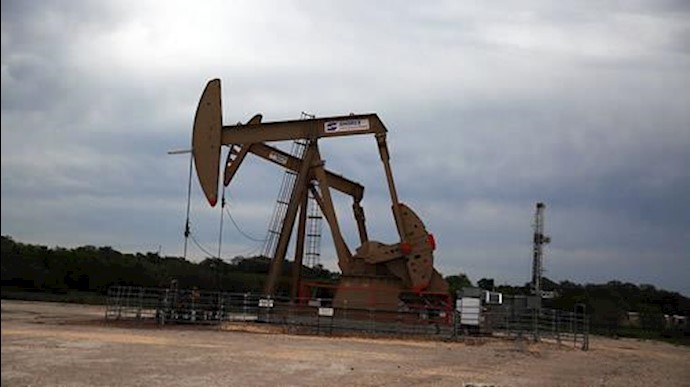
MarketWatch, 14 Sep. 2016- Crude oil prices rose in Asian trade Wednesday, buoyed mainly by a technical rebound following the sharp fall overnight after several global energy organizations suggested the global glut could last longer than expected.
On the New York Mercantile Exchange, light, sweet crude futures for delivery in October CLV6, +0.67% traded at $45.11 a barrel, up $0.21, or 0.5%, in the Globex electronic session. November Brent crude LCOX6, +0.40% on London’s ICE Futures exchange rose $0.28 to $47.23 a barrel.
“Weaker oil prices are likely to weigh on the sector, with investor appetite remaining weak,” said ANZ Research.
Oil futures slumped 3% on Tuesday amid bearish demand growth projection from the Paris-based International Energy Agency, which said slowdown in global oil demand growth has accelerated in the third quarter of this year, dipping to 800,000 barrels, or 1.5 million barrels a day lower than the corresponding quarter last year.
Demand growth in developed countries has “all but vanished” and slowed drastically in heavy guzzlers in Asia such as China and India, the IEA said. It cut 2016 demand growth by 100,000 barrels a day, to 1.3 million barrels a day.
On Monday, the Organization of Petroleum Exporting Countries noted that non-cartel producers such as U.S. and Norway will up their productions and global supply will outpace demand by an average of 760,000 barrels a day in 2017.
“The dark cloud over the energy market is just getting thicker and not going anywhere,” said Gao Jian, an energy analyst at the Shandong-based SCI International.
A quick solution to perk up sentiment is for the OPEC members to agree to “some sort of actions” when they meet for an informal gathering in Algeria later this month, said Mr. Gao.
He said even though a production freeze will not provide an immediate end to the longstanding mismatch between supply and demand, “an agreement would have a positive psychological impact on the market”.
The IEA and OPEC reports also confirm many observers’ positions regarding how long it will take for supply and demand to achieve equilibrium. Most now believe that markets won’t equalize until 2018.
Market participants are also awaiting federal data on U.S. crude stockpiles. Analysts and traders surveyed by The Wall Street Journal expect crude inventory rose 5.4 million barrels in the week ended Sept. 9 making up some of the drop reported in the prior week.
Many attributed the previous drop to bad weather that kept foreign oil cargoes from being delivered, and anticipate that new data will show those imported barrels have been arriving.
The American Petroleum Institute, an industry group, said late Tuesday that its own data for the week showed a 1.4-million-barrel increase in crude supplies, a 2.4-million-barrel decrease in gasoline stocks and a 5.3-million-barrel increase in distillate inventories, according to a market participant.
“The upcoming cycle of seasonal refinery maintenance also suggests we should see a further increase in U.S. crude oil inventories over the next two months or so,” said Tim Evans, a Citi Futures analyst.
Nymex reformulated gasoline blendstock for October RBZ6, +0.22% — the benchmark gasoline contract — rose 82 points to $1.3847 a gallon, while October diesel traded at $1.4206, 23 points lower.
ICE gasoil for October changed hands at $417.75 a metric ton, up $1.75 from Tuesday’s settlement.
Source: MarketWatch, 14 Sep. 2016