23 January 2016 – Several members of the US-led coalition attacking the Islamic State group in Iraq and Syria are doing “nothing at all” to help destroy the jihadists, US Defense Secretary Ashton Carter said Friday.
His comments mark a departure from the Pentagon’s typical depiction of the 65-member coalition, which carries the slogan “One mission, many nations,” and is frequently touted to highlight global resolve in the predominantly US effort to defeat the IS group.
“Many of them are not doing enough, or are doing nothing at all,” Carter said in an interview with CNBC on the sidelines of the World Economic Forum in Davos, Switzerland.
“We can do a lot ourselves … (but) we are looking for other people to play their part,” he added, without singling any country out.
In a separate interview with Bloomberg TV, Carter called the anti-IS alliance a “so-called” coalition, highlighting frustrations the Pentagon has with some partners — particularly Sunni Arab nations — not doing enough.
“We need others to carry their weight, there should be no free riders,” he said.
Carter has spent the past week in Europe, primarily in Paris, where he sought to persuade allies to step up their efforts against the IS group.
He is meeting with representatives from another 26 allied nations next month to make the same appeal.
– Requires ’global response’ –
Carter’s exasperation could reflect pressure from Washington, where hawkish critics say the Obama administration is moving too slowly to defeat the IS group.
The coalition has killed thousands of their fighters and reclaimed large areas they once held, but the jihadists are still launching attacks around the world, including in Indonesia, Afghanistan and Paris.
“They popped up in Jakarta, they popped up in Europe. They are global, it’s going to require a global response,” said Colonel Steve Warren, a Baghdad-based spokesman for the coalition.
The United States, sometimes referred to as the world’s policeman, frequently stresses the importance of partnering with other nations in its military interventions.
Ahead of the highly contentious 2003 invasion of Iraq, the administration of George W. Bush was criticized for describing a “Coalition of the Willing” that included tiny countries such as Palau and the Marshall Islands, while major players like France and Germany sat out.
Derek Chollet, former assistant secretary of defense for international security affairs and a senior advisor at the German Marshall Fund, said today’s coalition is very different from that pre-Iraq alliance.
“The world was deeply divided over the wisdom and legitimacy of US actions in Iraq,” he told AFP.
“With (IS), it’s a totally different dynamic. The world is completely together in the importance of fighting ISIL. Now the question is less one of legitimacy … now it’s just a question of how can we bring more of our capabilities into this effort,” he added.
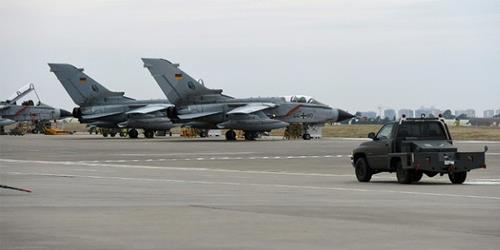
German Tornado jets are pictured on the ground at the air base in Incirlik, Turkey
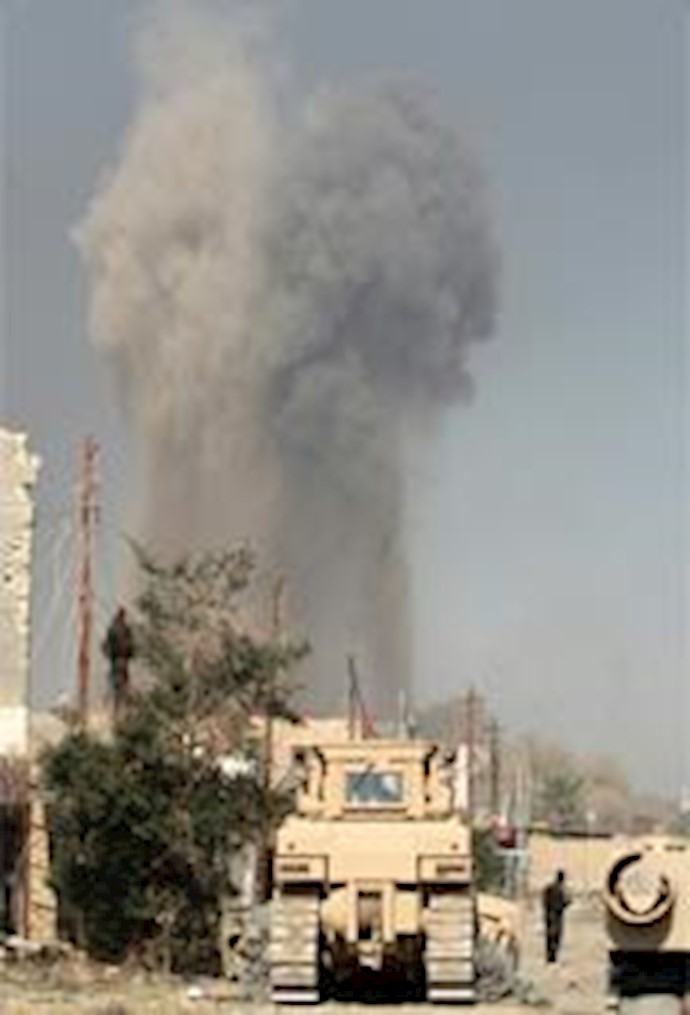
Smoke billows following a reported air strike by the US-led coalition