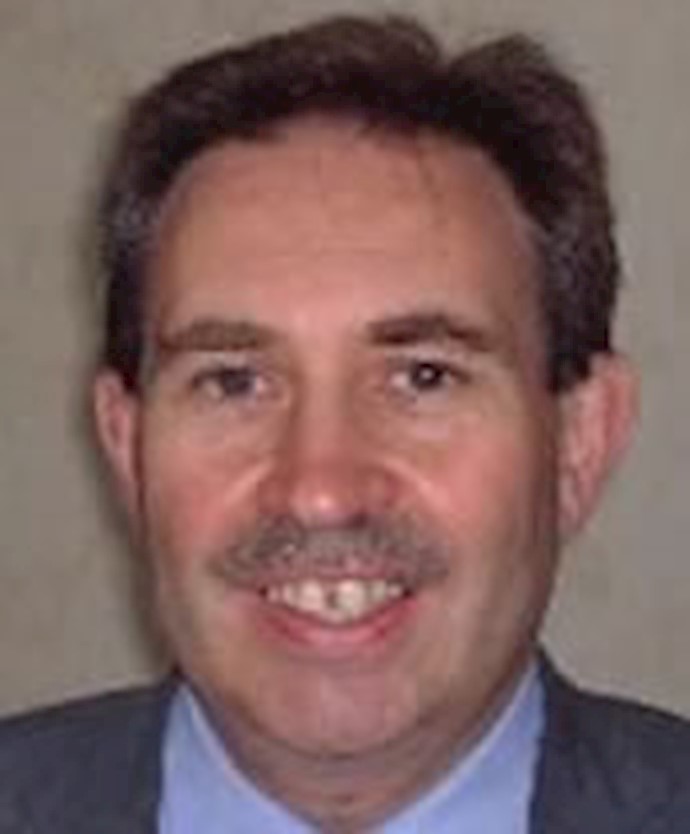
Written By: David Drew MP*
Yemen Observer– May 20, 2008
Iran’s supreme leader Ali Khamenei vowed on May 4 that Tehran would not yield to international pressure after the world’s major powers agreed to offer it a “refreshed” package of incentives to convince it to abandon its nuclear weapons work. When hardline Iranian President Mahmoud Ahmadinejad brazenly announced in April that Iran was installing 6,000 more centrifuges at its Natanz uranium enrichment plant – a serious advancement in its drive to develop nuclear weapons – the reaction from the international community was meager. Gregory Schulte, U.S. ambassador to the International Atomic Energy Agency, said: “Ahmadinejad has a record of making bold political announcements not necessarily supported by technical facts.” He called Ahmadinejad’s speech more of a “political stunt.”
The response from Britain’s Foreign Office was equally inadequate.
“Iran has not only failed to suspend enrichment, but has chosen to ignore the will of the international community by announcing the installation of new centrifuges….
We and the international community have continually made it absolutely clear to Iran that it should suspend all enrichment related activities, answer all the outstanding issues relating to Iran’s nuclear program and implement the additional protocol agreed with the IAEA as key steps to rebuild confidence,” it said.
Thus, the mullahs once again got away with shifting the international community’s red lines over its nuclear projects with barely a diplomatic slap on the wrist. With only nine months to go until U.S. President George W. Bush’s term expires, it is critical that the international community take all the right steps in tackling the Iranian nuclear threat.
A sweeping assessment by the U.S. intelligence community in December concluded Iran had suspended its nuclear weapons activities in 2003 but could not confirm if it had restarted its illicit work. The National Intelligence Estimate was a setback to efforts by those seeking to step up international pressure on Tehran.
However, the motives of the NIE’s authors have since come under question. The director of National Intelligence, J. Michael McConnell, whose office oversaw the publication of the NIE, said in February that he “probably would change a few things” if he had a chance to redo the report. CIA Director Michael V. Hayden said plainly in March that he believes Iran is still trying to develop nuclear weapons, regardless of the NIE’s conclusions.
There were suggestions that the NIE, having taken the military option off the table, only left the prospect of further negotiations with the mullahs. There is a fundamental flaw in this thesis in that the regime has no plan to suspend enrichment whatever the cost. “Iran does not trade its rights in return for incentives,” Iranian government spokesman Gholam-Hossein Elham said in April. “The Islamic Republic of Iran doesn’t need incentives from Europe to obtain its rights.”
Despite the questionable motives of its authors, the NIE unexpectedly strengthened a third option: support for the Iranian people and their resistance to bring about democratic change in Iran coupled with economic sanctions to isolate the regime.
Two and a half months after the NIE came out, the main Iranian resistance coalition which had previously been first to uncover Tehran’s clandestine nuclear weapons work, the National Council of Resistance of Iran (NCRI), revealed two new top secret nuclear sites in Tehran where the regime was carrying out work to build the warhead of a nuclear bomb and the delivery systems. Two weeks later, the U.N. Security Council adopted a third sanctions resolution against the regime for failing to comply with the demands of the IAEA – thus the grandest attempt at putting off new sanctions lasted only three months.
At this critical hour, we should not allow the mullahs to go further down the road to mastering enrichment technology, putting them at the point of no return and allowing them to build the A-bomb.
The U.N.’s P5+1 States – Britain, China, France, Germany, Russia, and the U.S. – should agree now for the Security Council to adopt a more far-reaching sanctions resolution immediately after the latest resolution’s deadline for a halt to Iranian uranium enrichment work expires in June.
Outside of the Security Council, Western states should give political backing to the NCRI, led by Mrs. Maryam Rajavi, and lift all restrictions on her coalition’s member organizations to help it activate Iranian youths in their overwhelming desire to bring about democratic change in Iran.
* David Drew MP is a member of the U.K.’s parliament for Stroud since 1997.