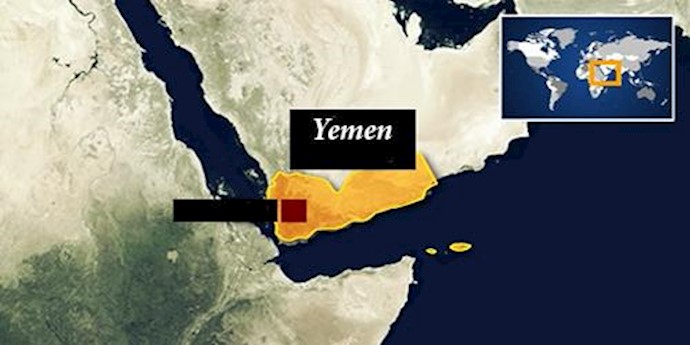
DUBAI – A new ceasefire enters into effect in Yemen midnight Sunday, with the United Nations hoping it can be the cornerstone of a long-lasting peace deal at upcoming talks in Kuwait.
Analysts are optimistic after mediation efforts have largely silenced the guns along the border with Saudi Arabia, which is leading a pro-government coalition that has bombed Huthi rebels and their allies since March 2015.
“For the first time, the groups that can end major military operations, particularly the Saudis and the Huthis, appear to be more willing to do so,” said April Longley Alley, a Yemen specialist at the International Crisis Group.
The Iran-backed Huthis and Saudi Arabia exchanged prisoners in March after unprecedented talks mediated by tribes along the frontier, where dozens have been killed in cross-border shelling.
Saudi Foreign Minister Adel al-Jubeir confirmed Monday that a Huthi delegation was in Riyadh for talks.
And Huthi spokesman Mohammed Abdulsalam announced Tuesday “an agreement on the continuation of the lull at the border and on stopping military operations in some provinces of Yemen.”
This agreement may “lead to a total cessation of military actions in the country and open up clear prospects for inter-Yemeni dialogue in Kuwait,” Abdulsalam said.
A presidency statement on Tuesday expressed a “sincere desire to make peace”, announcing the arrival in Kuwait of representatives in a “de-escalation committee” set up by the United Nations to oversee the ceasefire.
The Saudi-led coalition spokesman Brigadier General Ahmed al-Assiri had already announced in an interview with AFP in March that it was nearing the end of “major” military operations in Yemen.
Loyalists pushed the rebels out of five southern provinces including Aden last summer with air and ground support from the coalition.
Huthis, meanwhile, continue to control the capital Sanaa as well as large parts of the country’s north and west.
“Strong international pressure has been put on parties in the Yemeni conflict and their regional allies to cease hostilities and move towards a political settlement,” said Riad Kahwaji, director of the Institute for Near East and Gulf Military Analysis
Kahwaji added that, in attending talks in Riyadh, the Huthis have opted for a “unilateral settlement,” ignoring their ally Saleh.
The marginalisation of Saleh, who was ousted in 2012 after 33 years in office following nationwide protests, is likely to please Yemen’s President Abedrabbo Mansour Hadi and his Saudi backers.
A senior Saudi officer acknowledged the challenges ahead.
“Waging war is one thing. Stabilising a country is another. It doesn’t happen in a day. It’s not a football game,” he said.
Source: AFP, April 8