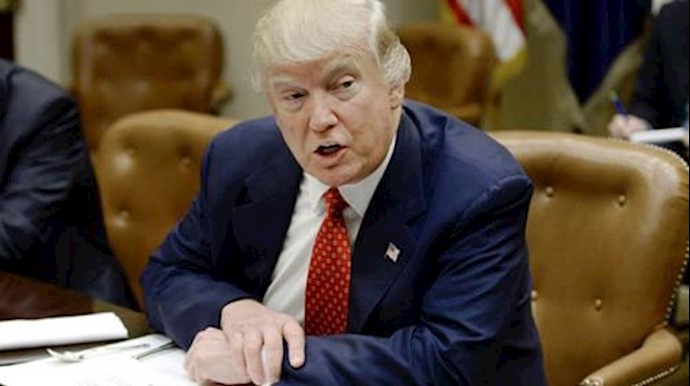
July, 25, 2017 – I posted a piece in Foreign Policy on June 6, 2016, which sets an historical perspective for a way forward for Trump. The article stated, “The Obama administration failed to hold Tehran accountable for nuclear violations, downplayed Iran’s economic windfall from sanctions relief, and ignored the deal’s negative regional implications for state sponsorship of terrorism.”
If President Trump decides to remain a party to the nuclear accord, he should seek to deter Iran from violating obligations to restrain its nuclear capabilities, address holes in the missile technology side of the nuclear deal equation, and use coercive diplomacy to deter Iran’s continued participation in state-sponsored terrorism.
One route to coercing Iran is to place regime change by the Iranian people on the table. Noting Trump’s Iran policy is still under review, Secretary Tillerson said Washington would work with Iranian opposition groups toward the “peaceful transition of that government.”
The National Council of Resistance of Iran is a broad coalition of dissident groups that can assist a U.S. policy of effecting peaceful political transition in Iran. So, President Trump’s National Security Council review of Iran policy should focus on big picture topics like regime change, in addition to issues like whether to certify if Iran is in accord with U.S. law and terms of the nuclear deal.
Extracted from an article written by Prof. Raymond Tanter who served as a senior member on the Middle East Desk of the National Security Council staff in the Reagan-Bush administration, Personal Representative of the Secretary of Defense to international security and arms control talks in Europe, and is now Professor Emeritus at the University of Michigan.