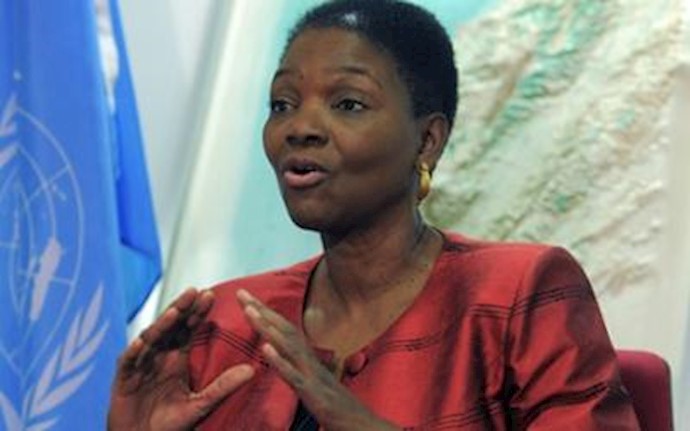
Guardian, 13 Feb 2013 – The UN’s humanitarian chief Valerie Amos has admitted that the UN could do more to ensure that aid reaches rebel-controlled areas in Syria.
In an interview with the Guardian she said talks were under way with the Syrian government and rebel groups to give aid agencies better access.
Speaking to Mark Tran, the Guardian’s global development correspondent, she said:
We are in negotiations with different organisations on the ground so that we can get to people in need where ever they are in Syria. I am very mindful that there have been criticisms that we are not doing nearly enough in opposition controlled areas. I don’t think it is as straightforward as that because what you have is an urban crisis with towns and cities where you have neighbourhoods which are controlled by government and some controlled by opposition and a lot of disputed areas. But even with that I think we can and must do more to forge relationships on the ground to allow us to move more freely between the lines that are government controlled and opposition controlled.
On Tuesday Human Rights Watch said the UN should not wait for the Syrian government to give the go-ahead to deliver humanitarian aid to the opposition-held areas. It urged the UN and other donors to immediately expand support to non-governmental organisations already able to deliver aid from Turkey.
There have been claims that aid earmarked for Syrians fleeing the violence is being commandeered by the government and the agencies it controls. Amos admitted that the UN did not have enough partner organisations to work with inside Syria.
She added said the scale of the challenge meant the UN was struggling to keep pace with needs.
On the border with Jordan an average of 3,000 people a night are crossing [over]. It is very difficult for us to keep pace with that level of exodus from the country but also to keep pace with the impact of the conflict inside the country itself.
The UN estimates that 4 million people in Syria need some form of humanitarian assistance and some 2 million people have been internally displaced.
Amos also conceded that diplomatic efforts to resolve to the conflict “seems to be stuck”.
She said Navi Pillay’s estimate that nearly 70,000 people have died in the conflict underlined the urgent need for a solution to the crisis.
“It has to happen,” she said.