Al Arabiya, 26 May 2012 – The Arab Spring has changed the face of the Middle East but the situation in Syria and Iran remains bleak, the United States’ annual human rights report on 199 nations has said.
The State Department report, compiled from information gathered from U.S. embassies across the world, praised the popular uprisings in the Middle East that led to the ousting of longtime dictators in Tunisia, Egypt, Libya, and Yemen.
“These reports, which the United States government has published for nearly four decades, make clear to governments around the world we are watching, and we are holding you accountable,” U.S. Secretary of State Hillary Clinton said.
“They make clear to citizens and activists everywhere, you are not alone. We are standing with you.”
Clinton also noted that the report was released as Egyptians are holding their first ever free election after the fall of former president Hosni Mubarak.
According to the report, the Arab Spring has led to general improvement of human rights in the region but stressed that true progress in building free societies will take place over time.
“Transitions are times of uncertainty,” it said. “They can be chaotic, unstable, and at times violent. And even when they succeed, they are rarely linear, quick, or easy. The challenge during these transitions is to keep societies open to political debate.”
Syria and Iran
But in a move that can be viewed as highly political, some of the harshest criticism in the report was reserved for Syria and Iran.
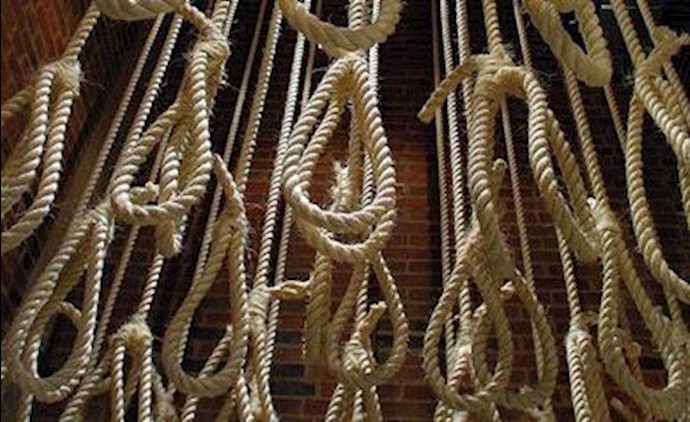
“Iran sentenced hundreds of people to death and carried out hundreds of executions without due process. It cracked down on all forms of dissent, arresting and detaining activists, opposition leaders, lawyers, journalists, artists, and academics. It executed juveniles, tortured political prisoners, and detained more journalists than nearly any country in the world,” the report said.
On Syria, the report drew attention to “torture, intimidation, rape, extra-judicial killings and the use of military force against civilians.”
“The Human rights (issue) is merely a game and a deception used by the West,” Iranian Deputy Foreign Minister for Consular, Parliamentary and Expatriates’ Affairs Hassan Qashqavi said in response to the criticism.
Iran has continuously lashed out at the West for using human rights as an instrument to put pressure on other countries to conceal their own wrongdoings.
In 2010 the Iranian Foreign Ministry issued its own report of what it deemed to be human rights violations by the United States.
The annual report does not scrutinize the U.S.’ own human rights record, including criticism from groups such as Amnesty International over the Guantanamo Bay prison or drone strikes in Yemen, Pakistan and Afghanistan that have killed scores of civilians alongside the militants they were targeting.
On Israel, the report highlighted continuing racial discrimination against non-Jews, particularly Arabs. Among other things a long standing practice of villages running “community admissions committees” to
decide whether a person or family is permitted to move there turned into law after the high court ruled that the committees were illegal. The practice is most commonly used to keep Arabs out of certain areas.
The report also noted the practice of issuing “kosher certificates” that indicate that no Arabs are employed by a business.