AFP – 30 March 2015 – Foreign ministers from major powers raced against the clock Monday on the eve of a deadline to nail down the final pieces of a framework deal aimed at putting any Iranian nuclear bomb out of reach.
Adding to the drama, Russian Foreign Minister Sergei Lavrov left the crunch talks with Iran in Switzerland after a series of meetings, Russian media reported.
He will only return if there is a “realistic” chance of a deal, his spokeswoman said earlier.
Lavrov and his counterparts from the United States, China, Britain, France and Germany met with the Iranians in a lakeside Lausanne hotel on Monday for their first full session since missing a previous November deadline.
A Western diplomat said it was “yes or no” time, adding that the talks remained blocked on three major issues — the length of the accord, the lifting of UN sanctions and a mechanism to ensure both sides stick to the deal.
Global powers have set a midnight Tuesday deadline to agree the outlines of a deal that they will then try to finalise by June 30. Only then would Iran receive sanctions relief, diplomats said.
Western diplomats say some areas in a highly complex jigsaw puzzle are tentatively agreed. But they caution there is a long way to go.
One said Sunday that Iran had “more or less” agreed to slash the number of its centrifuge enrichment machines from 20,000 to 6,000 and to ship abroad most of its stockpile of low-enriched uranium.
This would make it a much more lengthy process to further purify these stocks to weapons-grade.
Iranian officials dismissed the numbers as “speculation”, with Araghchi ruling out sending the stocks abroad, although he said “other options” were being examined.
This could include diluting low-enriched uranium or converting it to another form.
In addition to scaling down its nuclear programme, the powers want Iran’s remaining facilities to be subject to an unprecedented level of inspections by the UN atomic watchdog.
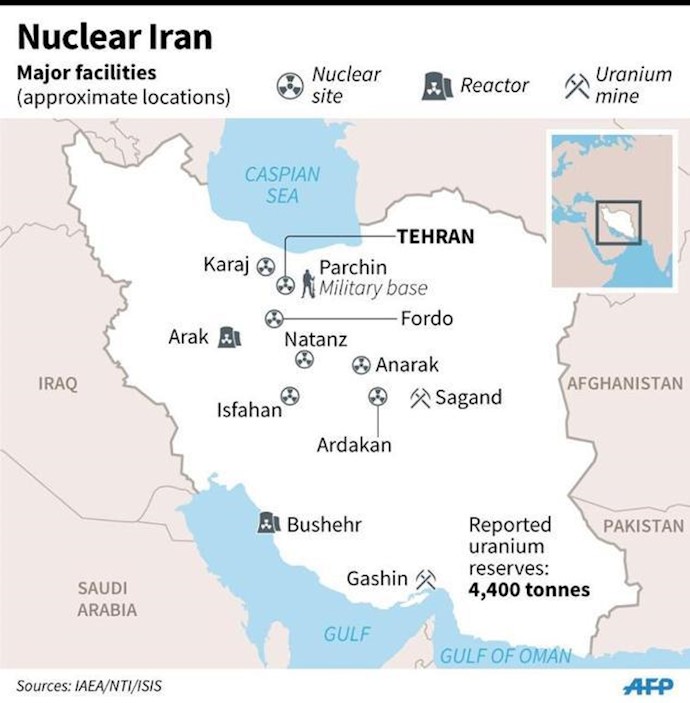
Its underground facility at Fordo would also likely be barred from uranium enrichment, diplomats said, although it might be kept open for research purposes.
The United States, EU and others are only prepared to suspend their sanctions, not terminate them, and in a phased manner in order to ensure that Iran does not violate the deal.

Graphic on major nuclear facilities in Iran