Associated Press, Baghdad, January 9, 2013 — Iraqi authorities citing security concerns closed the country’s only border crossing with Jordan Wednesday, cutting a key route through a part of the country where anti-government protests have been raging.
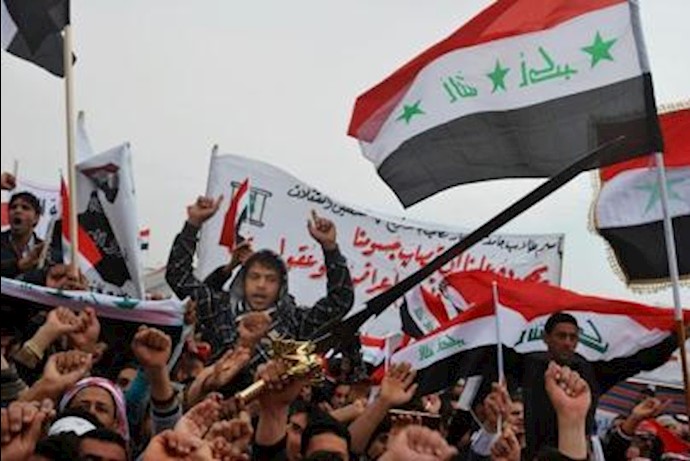
Residents of Anbar province, center of the demonstrations, responded angrily. A provincial official said the region plans to file a lawsuit against the central government over the closure, which many residents believe is meant as pressure to end their protests.
“The closure … serves only one purpose, and that is to damage the image of the protesters and depict them as troublemakers who want to make the lives of Iraqis more difficult,” one of the protest organizers, Saeed Humaim, told The Associated Press. “We will stand firm on our demands, and we will not be shaken by this irresponsible act.”
Many Sunnis in Iraq complain of discrimination by the Shiite-dominated government. The mass protests in Anbar — and increasingly elsewhere in the country — are the largest and most sustained demonstration of Sunni discontent since the U.S.-led invasion. Sectarian tensions have boiled over into bloody attacks, nowadays mostly by Sunni extremists against Shiite residents and pilgrims, threatening the country’s stability.
The prime minister’s spokesman, Ali al-Moussawi, did not specify the nature of the security fears that he said prompted the move. He denied that the closure was intended to pressure protesters, saying officials were responding to intelligence information.
The highway from Baghdad to the Jordanian border runs through Anbar, the vast Sunni-dominated province. The heavily traveled road, which extends about 570 kilometers (350 miles) from the border to Baghdad, is one of Iraq’s most vital routes for travelers and trade.
An Associated Press journalist crossing the border around midnight reported a chaotic scene ahead of the closure. Border police were seen yelling at car and semi-truck drivers to hurry across, and many were let into Iraq without customary inspections.
Dhari Arkan, the deputy governor of Anbar, said the provincial council plans to sue the government over the closure, which he said was imposed without local officials’ knowledge.
A Jordanian border official said Iraq sealed the frontier unilaterally from the Iraqi side in the morning, without giving a clear explanation. He said the Jordanians were told it was “a temporary measure due to unspecified domestic reasons.”
The official declined to be identified, saying he was not allowed to make statements to reporters.
Anbar has been the center of more than two weeks of demonstrations along the highway by Sunni residents angry over perceived second class treatment by the Shiite-dominated government.
Ahmed al-Alawani, a lawmaker from the Iraqiya bloc, which ran against Prime Minister Nouri al-Maliki’s coalition in the last election, was among the protesters at a Wednesday sit-in near the provincial capital, Ramadi. He described the border closure as “a desperate move by the government to deter the protesters from continuing their struggle for their legitimate rights.”
The demonstrations often block the highway near Ramadi, forcing motorists to take circuitous and potentially dangerous detours.
The protests erupted after the arrest of bodyguards assigned to Finance Minister Rafia al-Issawi, one of the central government’s most senior Sunni officials.
They have since spread to other areas populated by Iraq’s minority Sunnis, who dominated Saddam Hussein’s government until it was ousted in the 2003 U.S.-led invasion. Many Sunnis feel they have been mistreated by the central government and unfairly targeted by tough state security laws.
___
Associated Press writers Adam Schreck in Baghdad and Jamal Halaby in Amman, Jordan, contributed.
Copyright 2013 The Associated Press. All rights reserved. This material may not be published, broadcast, rewritten or redistributed
–