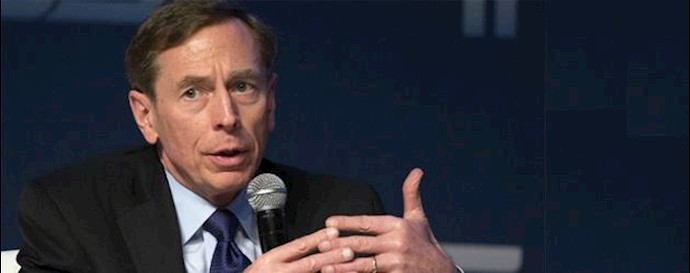
One of the most prominent armed forces experts said he is still making up his mind as hundreds of retired military officials have come against the Iran deal, The Hill reported on Thursday, April 27th.
President Obama’s former CIA director and retired Army Gen. David Petraeus said in an op-ed this week he still has reservations about the nuclear agreement.
“Many members of Congress continue to grapple with the nuclear deal with Iran — and so do we,” Petraeus wrote in The Washington Post with another former top Mideast official, envoy Dennis Ross.
Petraeus and Ross were two of five former Obama officials who signed an open letter to the administration in June during negotiations criticizing the pending deal and laying out specific parameters it should include.
“We know much about the emerging agreement. Most of us would have preferred a stronger agreement,” said the June 24 open letter, published by the Washington Institute.
However, they said, their main concern is that the deal places “no limits on how much the Iranians can build or expand their nuclear infrastructure after 15 years.
“In terms of the size of its nuclear program, Iran will be treated like Japan or the Netherlands — but Iran is not Japan or the Netherlands when it comes to its behavior,” they wrote.
Although Iran could change in 15 years, they added, “we cannot count on it.”
Petraeus and Ross said the president could address their concerns by making it clear that he would use military force to stop Iran from pursuing a nuclear weapon, including producing highly-enriched uranium, even after the deal ends in 15 years.
It is “critically important for the president to state this clearly, particularly given his perceived hesitancy to use force,” they said.
They also recommended providing Israel the 30,000-pound massive ordnance penetrator (MOP), that could destroy Iran’s underground nuclear facility at Fordow, and provide Arab allies more support.
“Providing the Israelis the MOP and the means to carry it would surely enhance deterrence — and so would developing options now in advance with the Israelis and key Arab partners to counter Iran’s likely surge of support for Hezbollah and other Shiite militias after it gets sanctions relief,” they said.