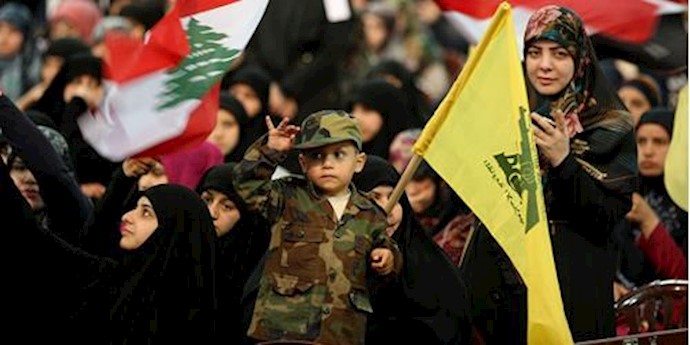
BEIRUT — A Saudi-dominated political bloc on Wednesday formally designated Lebanon’s Hezbollah militia a terrorist organization, a move that signals dangerously escalating tensions between regional rivals Saudi Arabia and Iran.
The Gulf Cooperation Council’s decision against the Iranian-allied group comes two weeks after Saudi Arabia canceled a $4 billion aid package for strengthening Lebanese security services.
The move was rooted in anger over the Hezbollah’s dominance of Lebanese security and political institutions. Saudi Arabia and other GCC member states quickly followed it by advising their citizens to leave Lebanon.
The growing rifts between Saudi Arabia and Iran have increasingly rattled Lebanon, where both nations have until recently managed to restrain their destructive rivalry despite their competing influence. Saudi Arabia and Iran also are on opposing sides in the civil war in neighboring Syria, where fighting has killed more than 250,000 people and displaced millions.
A blistering statement posted on the GCC website accused Hezbollahof “hostile acts” in the six states in the Sunni-led bloc: Saudi Arabia, the United Arab Emirates, Qatar, Bahrain, Kuwait and Oman.
The statement, citing GCC Secretary General Rashid al-Zayani, accused the group of recruitment to carry out terrorist attacks, as well as the smuggling of weapons and explosives, “in flagrant violation of [GCC members’] sovereignty, security and stability.”
All Hezbollah leaders and affiliated factions fall under the new terrorism designation, said the statement, which also charged that the Lebanese militia is responsible for “terror and incitement” in Yemen and Iraq.
Saudi Arabia and other allied nations broke ties with Iran in January. The fallout came after mobs stormed Saudi diplomatic missions in Iran .
Iran and Saudi Arabia have for years jostled for influence across the region.
In Yemen, a Saudi-led military coalition intervened with ground and air assaults last year against Iranian-aligned rebels.
Wednesday’s announcement followed a provocative speech a day earlier by Hezbollah Secretary General Hasan Nasrallah, who denounced Saudi Arabia, its role in region and its recent decision to halt military and security aid to Lebanon.
The decision to cut off aid and other Saudi moves, Nasrallah said, signal that “we have entered a new phase of political and media struggle which Saudi Arabia has escalated.”
But the Hezbollah leader stepped back from calling for confrontation, saying there would be no repeat of intense street fighting in 2008. In that surge of unrest, Hezbollah and Saudi-backed political forces fought what Lebanese described as a brief civil war.
Militants from Iran and Hezbollah are battling inside Syria to prop up Bashar al-Assad against a rebellion that is supported with money and weapons from Saudi Arabia and other nations.
Hezbollah intervened in Syria unilaterally, angering many Lebanese, who say the move has dragged Lebanon deeper into the conflict.
Despite the friction, the country has managed to weather immense pressures.
More than 1 million Syrians have taken refugee in the tiny country of 1.4 million people. Gridlock in the government — partly a result of differences over the Syrian war — has prevented politicians from selecting a president for more than two years and stymied services such as trash collection in the capital.
But the recent surge in Saudi-Iranian tensions threatens broader unrest.
Over the weekend, Hezbollah supporters staged angry demonstrations after a Saudi-owned pan-Arab satellite television station aired a comedy segment poking fun at Nasrallah. The show portrayed him as a stooge of Iran, sparking demonstrations in which people blocked roads and set tires on fire.
Source: Washington Post, 2 March 2016