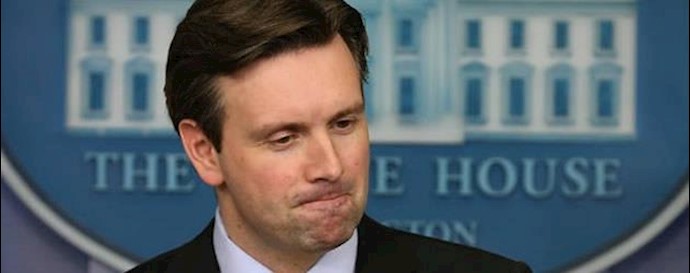
The Hill – April 7, 2015 – The White House on Tuesday expressed confidence it could win over enough Democrats in Congress to stymie a legislative push to allow members to approve any nuclear deal with Iran.
Sen. Charles Schumer (N.Y.), who will likely become the next Senate Democratic leader, dealt a blow to the White House on Monday when he reiterated support for congressional review of an Iran deal.
The White House believes Congress should not have the final say on an agreement to curb Iran’s nuclear program. Officials are making a full-court press to convince Democrats to give negotiators at least until the June 30 deadline to reach a final agreement before weighing in.
“The sales pitch has only just begun,” press secretary Josh Earnest told reporters Tuesday.
Earnest said the administration has offered classified briefings for lawmakers on national security committees to sell them on the merits of the agreements.
“We want to make sure that members of Congress understand what’s in the deal,” he said.
But Schumer’s support for a congressional review bill could give more Democrats in the Senate cover to back a bipartisan bill authored by Sens. Bob Corker (R-Tenn.) and Bob Menendez (D-N.J.), which would give lawmakers 60 days to review a nuclear deal before any congressional sanctions on Iran are lifted.
The Senate Foreign Relations Committee is expected to vote on the measure next Tuesday. Corker said this weekend his bill is just a few votes shy of a veto-proof majority.
“I strongly believe Congress should have the right to disapprove any agreement and I support the Corker bill which would allow that to occur,” Schumer said in a statement.
Obama also provided more fuel for critics of the deal in an interview with NPR, when he said Iran may be able to develop a nuclear weapon quickly after some terms of the agreement expire after 10 years.
Despite the bipartisan support for the Corker bill, the White House is framing the bill in its pitch to Democrats as a partisan Republican effort to torpedo the agreement.
Earnest said the U.S. remains concerned with Iran’s support for terrorism, its imprisonment of American citizens and its threats against Israel. But, he said, “not all of them is going to be resolved because we reached this nuclear agreement.”