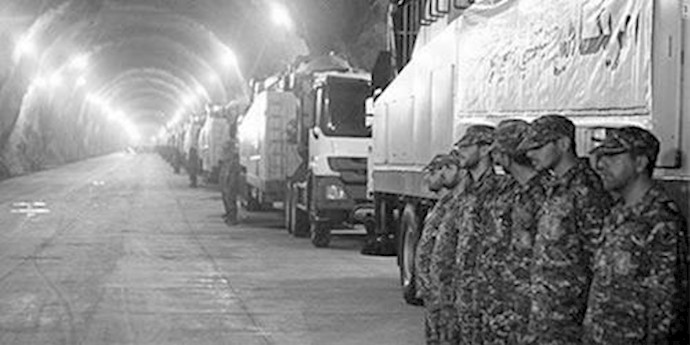
Bahrain and other Persian Gulf states are in negotiations to buy the Iron Dome anti-missile system to defend against “a growing arsenal of Iranian missiles”, Sky News reported Oct. 14, 2015.
The weapon, which has reduced the effectiveness of rockets fired out of Gaza into Israel by about 90% would be bought through Raytheon and other American contractors who developed the Iron Dome
A deal for the entire Gulf Cooperation Council, which includes Saudi Arabia and the United Arab Emirates, Oman, Qatar and Kuwait, would be worth tens, perhaps hundreds, of billions of dollars.
It would also include longer range interceptor missiles such as David’s Sling, and the Arrow I and Arrow II which are capable of intercepting supersonic intercontinental ballistic missiles.
The sale of the weapons to Gulf states would have been controversial for both the Israelis and the buyers a few years ago.
But both now see one of the main threats to them as the growing military strength and ambitions of Iran.
The U.S. is quietly playing the “middle man” in the deal as a sweetener to bitterness caused in the Gulf over what the leadership in that region believe is a “naive” deal with Iran over its nuclear weapons program.
“Iran has been trying to undermine and topple government in our region for years,” the Bahrain foreign minister said.
He said that Iran’s precision missile capacity was certain to increase as a consequence of the lifting of sanctions following the internationally brokered agreement with Tehran to end its nuclear weapons development.
“They will put a lot of money into this program to develop techniques and tactics to defeat our missile defenses … the strategy appears to be one of saturation to stockpile enough missiles to overwhelm any defense system we build in the Gulf,” he added.
As a result of this perceived threat, plans to buy Israeli weapons, via the U.S., would result in a profits bonanza for both American and Israeli firms.
Talks are understood to be well advanced.
Israel developed its anti-missile systems to defend against Gaza’s rockets in part but overwhelmingly against Hezbollah’s arsenal in southern Lebanon.
Led by Saudi Arabia, GCC nations are locked in a bloody conflict with Shi’a Houthi rebels in the Yemen which western and Gulf intelligence sources insist are backed by Tehran.
The GCC’s fears of an Iranian threat increasing when sanctions are lifted has been further deepened by Tehran’s growing alliance with Moscow which, like Iran, has come to the military defense of the regime of Bashar al-Assad in Syria.