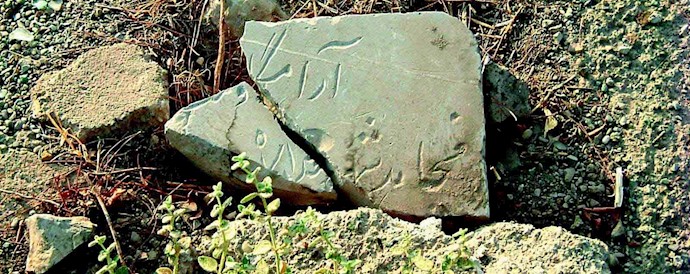
In a bid to remove the traces of the massacre of 30,000 political prisoners in 1988, the regime decided to destroy the victims’ mass graves in Khavaran Cemetery in East
Tehran.
The mullahs’ Supreme Leader Ah Khamenei ordered then mayor and later President Mahmoud Ahmadinejad to prepare the plan for destruction of the mass graves under the guise of “developing” the area.
Tehran Municipality sent a number of its agents to begin implementing the plan in summer 2005, but they met protests by the victims’ families at the cemetery.
Given that the vast majority of the massacred prisoners were buried in mass graves without their names and graves being identified, such a change would practically mean destroying the graves and wiping out any signs of the slain victims, one of the most obvious crimes against humanity.
Then President and now Supreme Leader Khamenei was among the principal leaders who directed the enforcement of Khomeini’s fatwa for the massacre of political prisoners and dissidents. Interior Minister Mostafa Pour-Mohammadi, then Deputy Intelligence Minister, was one of the three members of the “Death Commission” which ordered the executions of group after group of prisoners.
On August 30, 2005 the National Council of Resistance of Iran called on the United Nations Secretary General, High Commissioner on Human Rights and the Human Rights Commission’s Working Group on Arbitrary Executions to take urgent steps to prevent the destruction of Khavaran Cemetery. It also urged them to send a delegation to Iran to specify the names and graves of the victims, emphasizing that the criminal mullahs must not be allowed to destroy the documents and evidence of their crimes against humanity with impunity.