BEIRUT, REUTERS, Jan 22, 2016 – The Saudi-backed Syrian opposition ruled out even indirect negotiations with Damascus before steps including a halt to Russian air strikes, contradicting U.S. Secretary of State John Kerry’s insistence that talks will begin next week.
With the five-year-old Syrian war showing no signs of ending, it looks increasingly uncertain that peace talks will begin as planned on Jan. 25 in Geneva, partly because of a dispute over the composition of the opposition delegation.
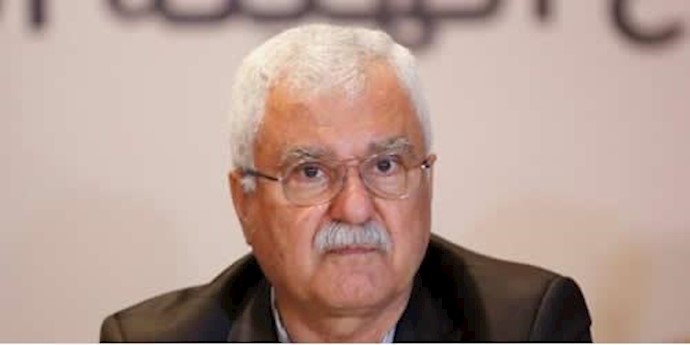
George Sabra, a senior opposition official, said the obstacles to the talks were still there, reiterating demands for the lifting of blockades on populated areas and the release of detainees, measures set out in a Dec. 18 Security Council resolution that endorsed the peace process.
“There must be a halt to the bombardment of civilians by Russian planes, and sieges of blockaded areas must be lifted,” said Sabra, who was this week named as a senior member of the opposition delegation to any talks. “The form of the talks does not concern us, but the conditions must be appropriate for the negotiations,” he told Reuters.
Sabra’s opposition council, the High Negotiations Committee (HNC), was formed in Saudi Arabia last month. It groups Assad’s political and armed opponents, including rebel factions fighting Damascus in western Syria.
Russian warplanes continued to bomb many parts of western and northern Syria on Friday, particularly Latakia province, where the government is pressing an offensive against rebels, the Syrian Observatory for Human Rights reported.
Raids believed to be either Russian or Syrian killed 30 civilians near Deir al-Zor city, the Observatory said.
HIJAB TO MEET KERRY
While rebels have received military support from Assad’s foreign enemies, states including Saudi Arabia, Turkey and Qatar and the United States, their calls for more effective weapons including anti-aircraft missiles have gone unanswered.
One of the biggest rebel factions in the HNC, Jaysh al-Islam, said the opposition was facing “many pressures” to make concessions but credited Saudi Arabia, Turkey and Qatar for helping it to “overcome these pressures”.
The lead negotiator picked by the HNC for the hoped-for negotiations is a Jaysh al-Islam member, another potential complication facing the talks because Russia says it is a terrorist group.
HNC chair Riyadh Hijab is due to meet Kerry on Saturday and “all the matters will be tabled clearly”, Sabra said.
A senior U.S. State Department official confirmed Kerry was likely to meet Hijab to “check the tires on the way forward (on talks)… that will hopefully kick off next week.”