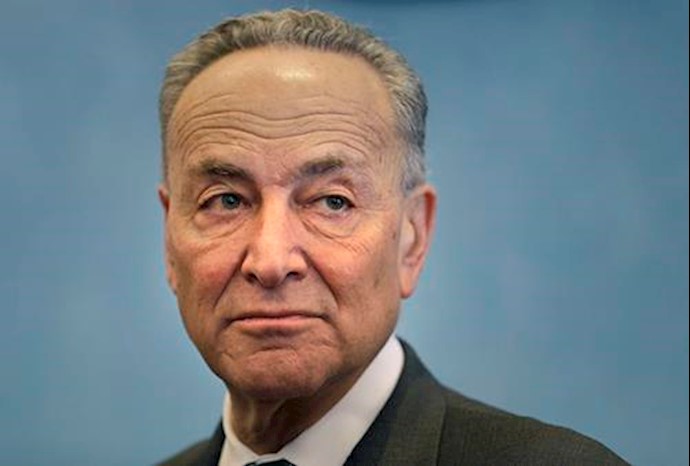
By Sam Stein, Senior Politics Editor, The Huffington Post, Washington
Of all the senators on the fence about the deal President Barack Obama struck with world powers on Iran’s nuclear program, perhaps none is being more closely scrutinized than Ben Cardin.
The Maryland Democrat is known by colleagues as good-natured and thoughtful, not prone to shouldering the pressure of high-pitched legislative battles. But that’s precisely where he finds himself in August as the president’s biggest foreign policy initiative gets ready for a tough vote in Congress.
Officials in the administration and on the Hill say that Cardin, more than almost any other senator, has the capacity to alter perceptions of the deal. Unlike his more hawkish colleagues, his position is likely to be perceived as more merit-based than political. And because he occupies the post of ranking member on the Senate Foreign Relations Committee — the committee with chief oversight of the diplomatic efforts to engage Iran — the symbolism of his endorsement or rejection will be amplified.
“If there is ever a game changer, it will be when somebody announces that they are going to vote in an unexpected way,” explained Aaron Keyak, managing director and co-founder of the firm Bluelight Strategies. “If there will ever be a change in that reality, someone like Cardin will have to come out against the deal. … There are other senators who are looking to him and it will have a greater impact if he does something unexpected.”
Those following the political fate of the deal profess cluelessness about where Cardin is currently leaning.
Rather than upend a campaign to give Congress more oversight on the Iran deal, he worked with Chairman Bob Corker (R-Tenn.) to modify the proposal. The resulting legislation met many of the administration’s demands. But the simple act of giving lawmakers a vote on the final nuclear agreement was a concession the president didn’t want to make.
“People felt he was an honest broker during that and we had good communications,” conceded a senior administration official.
Now fully in the congressional oversight period that he himself negotiated, Cardin is coy about where he stands. And his office would offer only the usual, unhelpful bromides to explain his thinking: “He’s studying the details,” “reading everything there is to read” and “reaching out to the experts” while also “talking to his constituents” before making up his mind.
“He is certainly being lobbied on all sides,” said Sue Walitsky, his spokesperson. “He has joked he has talked to the president more in the last few months than all presidents before that combined.”
Even though there is mounting pressure for him to weigh in sooner, Cardin likely won’t make a decision until after Labor Day, Walitsky said. And that alone has supporters worried. The conventional wisdom is that lawmakers should and will vote their conscious and not at the behest of any specific interest group or colleague. But the lobbying campaign against the agreement is better financed and well placed.
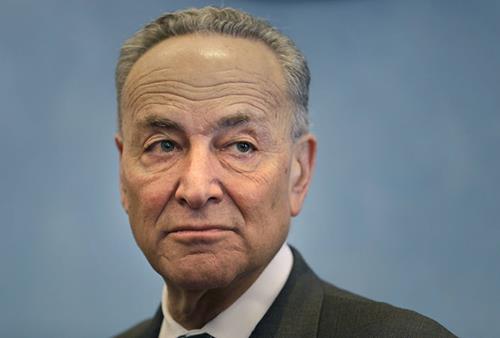
Sen. Chuck Schumer’s (D-N.Y.) opposition to the deal, in particular, has spooked supporters. The New York Democrat is making phone calls to colleagues to explain his vote against the deal.
“In that respect Schumer is potentially more dangerous than Cardin because I think he is going to spend the next five weeks seeing if there is any possibility that the deal can be killed,” said a Democratic aide.
12 August 2015