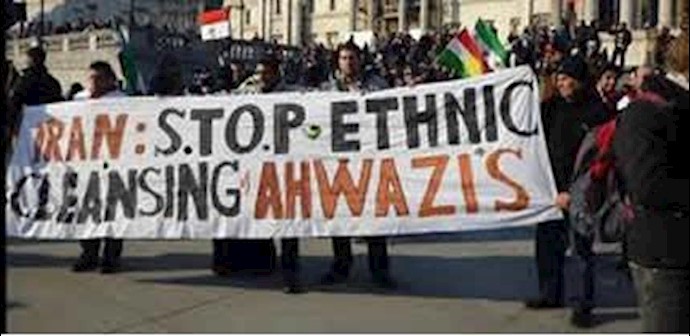
Teachers Hadi Rashedi and Hashem Sha’bani Amouri, both members of Iran’s Ahwazi Arab minority, were executed in secret at the end of January. Three other Ahwazi Arab men remain at risk of execution.
On 29 January an official from the Ministry of Intelligence called the families of Hadi Rashedi and Hashem Sha’bani Amouri to inform them that the two men had been executed and buried a few days earlier, but would not reveal their place of burial. The official told the families they were not permitted to hold a public memorial for the two men and had only 24 hours in which to hold a private service. Their bodies may have been buried in unmarked graves in one of three cemeteries in Khuzestan province known colloquially as La’nat Abad (the place of the damned) and reserved for executed political prisoners. Ministry of Intelligence officials have told Hadi Rashedi and Hashem Sha’bani Amouri’s families not to speak with human rights organizations or they would face legal consequences.
Hadi Rashedi and Hashem Sha’bani Amouri were transferred on 7 December 2013 to an unknown location from Karoun Prison in Ahvaz, Khuzestan province, sparking fears that they would be executed imminently. They had
been arrested in September 2011, along with Mohammad Ali Amouri, Sayed Jaber Alboshoka and Sayed Mokhtar Alboshoka, apparently in connection with their cultural activities on behalf of Iran’s Ahwazi Arab minority.
They were sentenced to death on 7 July 2012 after being convicted of charges including “enmity against God” and “spreading propaganda against the system”. All five men were denied access to a lawyer and their families for the
first nine months of their detention and are believed to have been tortured or otherwise ill-treated.
Mohammad Ali Amouri, Sayed Jaber Alboshoka and Sayed Mokhtar Alboshoka remain in Karoun Prison where they are permitted weekly visits with their families. They remain at risk of execution.