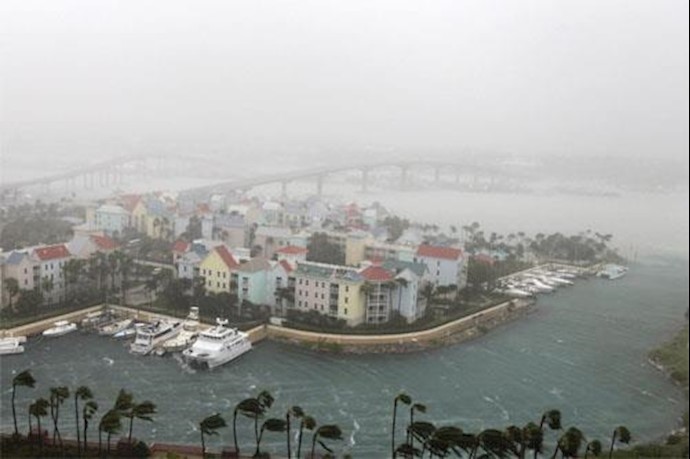
‘This storm will kill you,’ warns Florida Gov. Rick Scott
MIAMI Wall Street Juornal,Oct. 6, 2016 —Hurricane Matthew grew in strength Thursday and the now-category 4 storm is on a path for Florida, triggering evacuation orders and warnings up the Atlantic coast to South Carolina.
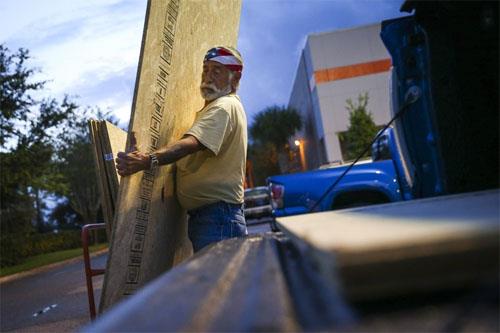
The National Hurricane Center advised at 11 a.m. EDT that its maximum winds climbed to 140 miles an hour, with forecasters adding the storm also will bring pounding rain and storm surges to coastal areas.
Florida should begin feeling Matthew’s front edge late afternoon Thursday, with the weather worsening to hurricane-level conditions at the coast by Thursday night, according to the hurricane center.
“This storm will kill you. Time is running out,” said Florida Gov. Rick Scott at a briefing Thursday morning as he outlined emergency preparations.
The storm already has left death and destruction in the Caribbean. At least 108 people were killed in Haiti, with six deaths on other islands linked to the storm, according to the Associated Press.
Florida’s governor urged residents in areas under evacuation orders to depart immediately. “There are no excuses. You need to leave,” he said. “Are you willing to take a chance to risk your life?”
More than 1.5 million Floridians are in areas designated for either mandatory or voluntary evacuations, stretching from the Fort Lauderdale area in the south to the Jacksonville area in the north. Mandatory evacuation orders are focused on portions of that coastline, from Palm Beach County to Nassau County.
Mr. Scott said he was concerned about Palm Beach, a wealthy barrier island that is likely to be the first portion of the state to be hit hard by the storm. The area could experience winds of 100 to 150 miles an hour, which he said could “completely wipe out neighborhoods.”
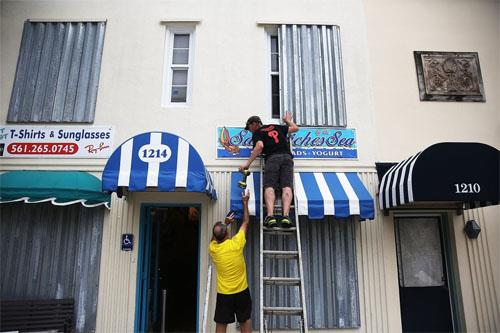
Mr. Scott warned that Matthew could deliver four to eight inches of rain, and in some areas up to 12 inches. He said a storm surge could reach five to nine feet. Millions of residents are expected to lose power.
Mr. Scott said he had activated an additional 1,000 National Guard members to help prepare for the storm, bringing the total to 2,500.
President Barack Obama signed an emergency declaration for Florida due to the hurricane, the White House said. His action authorizes the Department of Homeland Security’s Federal Emergency Management Agency to coordinate disaster relief efforts.
However, Brent Diaz, a 44-year-old pilot for United Airlines, hunkered down in his West Palm Beach home, about 15 miles from the coast, with his wife, Annelle, and their 4-year-old son, also named Brent. Mr. Diaz, who has lived in Florida since 1989, weathered Hurricane Andrew while living in Miami and doesn’t expect this storm to be as bad.
He’s stocked up on water and non-perishables—plus coloring books for his son—and plans to spend the night with his family in an inner room in their home that does not have windows.
“I think the worst part will be dealing with no electricity and water for days afterwards,” he says. “And losing all the food in the fridge.”
The hurricane center predicted heavy rain, strong winds and storm surges along the U.S.’s southeastern coast. A hurricane warning is in effect for much of Florida’s eastern coast, from Golden Beach—a town in northern Miami-Dade County—to Altamaha Sound in Georgia. A hurricane watch area extends northward to South Santee River, S.C.
The governors of Florida, Georgia and the Carolinas declared states of emergency. Mass evacuations of coastal communities in South Carolina were under way Wednesday and could expand Thursday, according to the South Carolina Emergency Management Division. Gov. Nikki Haley ordered evacuations in the southern part of the South Carolina coast to begin Wednesday, and those along the northern part of the state’s coast to begin Thursday. About 250,000 people may have to relocate, she said.
Ms. Haley also closed government offices and canceled schools across much of the state, and urged people leaving the coast to drive at least 100 miles inland.
Georgia Gov. Nathan Deal on Wednesday encouraged voluntary evacuations in six coastal counties and expanded a state of emergency to a total of 30 counties.
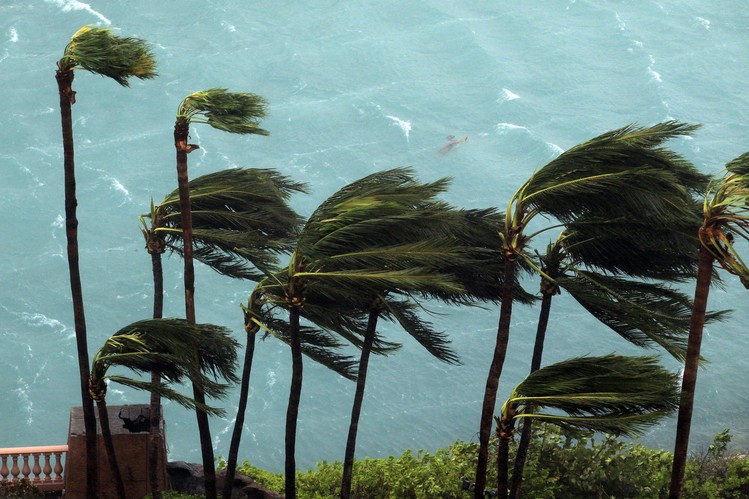
In Florida, Mr. Scott ordered state offices to be closed on Thursday and Friday in 26 counties. Schools and universities in affected areas also will be closed those days.
Meanwhile, airlines have been canceling flights to and from Florida airports in anticipation of the storm.
The Port of Miami closed its cargo-handling Pomtoc and South Florida Container Terminals facilities to vessels and trucks on Wednesday and the Miami city government shut down the tunnel highway entrance to the port, according to statements released on Twitter.
For days, the state’s residents have been stocking up on staples and hurricane supplies, and many grocery and hardware stores have empty shelves. By Wednesday evening, boats in many marinas were hauled away and the windows of many buildings were covered with plywood.
Elizabeth Hoadley, a 52-year-old real-estate agent in Palm Beach, began to evacuate the island Thursday under a mandatory order. The weather already turned blustery, with periodic strong gusts of wind.
She said she planned to hunker down in an inland condo in West Palm Beach with four other people: her partner, her sister, her 87-year-old father, who is in a wheelchair, and his caregiver. To prepare for the storm, Ms. Hoadley said she stocked up on supplies, including a solar-powered charger, a 10-gallon tub to store fresh water and nonperishable food like ramen noodles and baked beans—”things normally I would never touch,” she said.
Ms. Hoadley said she felt sufficiently prepared and wasn’t scared. “Am I highly concerned? Yes,” she said. “But you do all you can do, and then just ride it out.”
—Paul Page contributed to this article.